
Ampoules, small glass bottles sealed tight to maintain ampoule quality, are essential in industries such as medicine, chemicals, and skincare. Ampoule testing ensures the safety and efficacy of medications stored in these fragile glass containers. Here are some key things to know:
Types of Ampoule Tests:
- - リークテスト: Crucial to ensure container integrity and prevent contamination. Methods include vacuum/pressure decay tests detecting even tiny leaks.
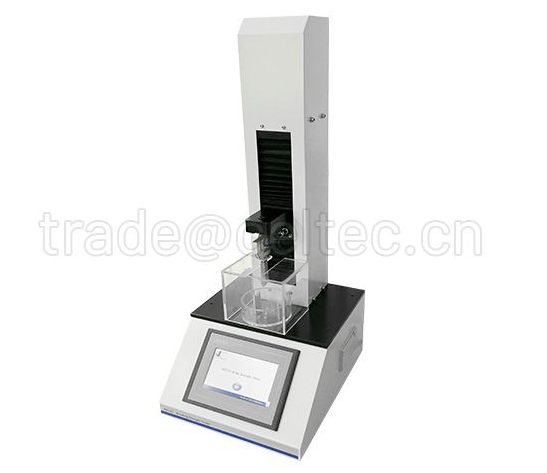
- - break force testing: Measures the force required to break the ampoule cleanly, ensuring safe and controlled opening by healthcare professionals. Standards like ISO 9187 specify minimum/maximum breaking force limits.
- – Dimensional testing: Verifies dimensions of ampoule like wall thickness, neck diameter, height, overall diameter, perpendicularity, and tip shape meet specifications for consistent filling, sealing, and opening.
- – Hydrolytic resistance: When tested in accordance with ISO 4802-1 and ISO 4802-2, the hydrolytic resistance of the internal surface of ampoules shall comply with the requirements specified for hydrolytic resistance container class HCT1 and HCF1 respectively. Another test of this type is called hydrolytic resistance test of glass grains at 98℃ and 121℃, which are performed according to ISO 719 and ISO 720 respectively.
- – Ampoule internal stress examination: Internal stress refers to the residual stress existing inside the glass, which affects the strength, breakage resistance and corrosion resistance of the glass. As a special container, ampoules are used to contain important substances such as drugs and chemicals. Their internal stress directly affects their safety and product quality.
- – Chemical compatibility testing: Ensures the glass material doesn’t react with the medication, compromising its stability or purity.
Ampoule Testing Objectives:
- – Guarantee container integrity: No leaks or contamination that could affect the medication’s safety and efficacy.
- – Ensure safe and controlled opening: Clean breaks without sharp glass fragments causing injury or product loss.
- – Maintain consistent quality: Meet manufacturing specifications for reliable performance and user experience.
- – Comply with regulations: Adhere to international standards and pharmacopoeia requirements for pharmaceutical packaging.
In the pharmaceutical and chemical industries, ampoule testing plays a vital role. By testing the quality and integrity of ampoules, we can ensure the safety and reliability of the product during production, transportation and use. From testing the tightness of the bottle to determining the force required to open the bottle, ampoule testing covers many key aspects to safeguard product quality and effectiveness. By using advanced testing equipment and following strict testing standards, we are able to promptly identify and resolve any potential issues, thereby reducing the risk of product contamination or damage. Therefore, ampoule testing is not only a quality assurance measure but also an important step in ensuring that pharmaceutical and chemical products comply with regulations and industry standards. In summary, the importance of ampoule testing is self-evident, as it provides a reliable guarantee for people’s health and safety.
Reference:
ISO 9187 https://www.iso.org/standard/55920.html
ISO 4802-1 https://www.iso.org/standard/84261.html
ISO 4802-2 https://www.iso.org/standard/84262.html
ISO 719 https://www.iso.org/standard/77843.html
ISO 720 https://www.iso.org/standard/77844.html

この製品に関する詳細情報をご希望の場合は、お気軽にお問い合わせください。その他の人気商品をご紹介します: Tissue Thickness Tester, ボトル垂直度試験機, 接着性試験, Paper Dirt Tester, カップ・容器剥離試験機, 容器剥離試験機, fabric thickness test method, ゲルボ屈曲試験機メーカー, ボトル垂直度試験機, glass bottle wall thickness tester, ゲルボ・フレックス・テスター メーカー, Tissue Thickness Tester manufacturer, ボトル垂直度試験機 メーカー, Plastic Film Tester|、Plastics Testing factory, コンテナ・テスター, importance of fabric thickness tester, ヒートシールテスター工場, ヒートシールテスター工場, ヒートシール試験機工場, ヒートシールテスター工場, Heat Seal Tester factory, Gelbo Flex Tester サプライヤー, Paper Board Tester manufacturer, プラスチックフィルム試験機工場