
Ta članek ponuja poglobljeno raziskavo preskušanja materialov, s posebnim poudarkom na preskušanju odpornosti proti trganju in ocenjevanju natezne trdnosti, zlasti na področju tekstilnih materialov. Opredelili bomo ključne pojme, pregledali splošno priznane preskusne metode in standarde ter obravnavali praktične uporabe teh preskusov pri ocenjevanju lastnosti materialov. Poleg tega bomo pojasnili razlike med odpornostjo proti trganju in natezno trdnostjo ter podali podroben pregled postopkov, kot je preskus natezne trdnosti tkanine. S preučevanjem medsebojne povezanosti različnih mehanskih lastnosti si ta članek prizadeva zagotoviti celovito razumevanje teh bistvenih tehnik preskušanja materialov.
Kaj je preskus odpornosti proti trganju?
Preizkus solz je mehanska preskusna metoda, ki se uporablja za določanje odpornosti materiala proti trganju, ko je izpostavljen nadzorovani sili. Preskus se običajno izvaja na vzorcih z vnaprej narezanim ali začetim raztrganjem in meri tako silo, potrebno za začetek raztrganja, kot tudi silo, potrebno za njegovo širjenje. Ta postopek razkriva pomembne informacije o trdnosti, strukturni celovitosti in trajnosti materiala pod obremenitvijo.
Preskusi trganja se pogosto uporabljajo za ocenjevanje materialov, kot so tekstil, plastika, papir, folije in drugi tanki, prožni materiali. Podatki, pridobljeni s temi preskusi, so ključnega pomena za napovedovanje, kako se bodo materiali obnesli v praksi v različnih panogah, kot so embalaža, tekstilna industrija, avtomobilska industrija, letalska industrija in industrija potrošniškega blaga.
Za preskušanje odpornosti proti trganju se uporablja več standardiziranih metod, med drugim Elmendorfov preskus odpornosti proti trganju in preskus odpornosti proti trganju hlač, pri čemer se preskusni protokoli razlikujejo glede na vrsto materiala in njegovo namembnost. Rezultati pomagajo inženirjem, razvijalcem izdelkov in strokovnjakom za nadzor kakovosti pri izbiri ustreznih materialov ter zagotavljanju, da končni izdelki izpolnjujejo zahtevane standarde glede zmogljivosti in varnosti.
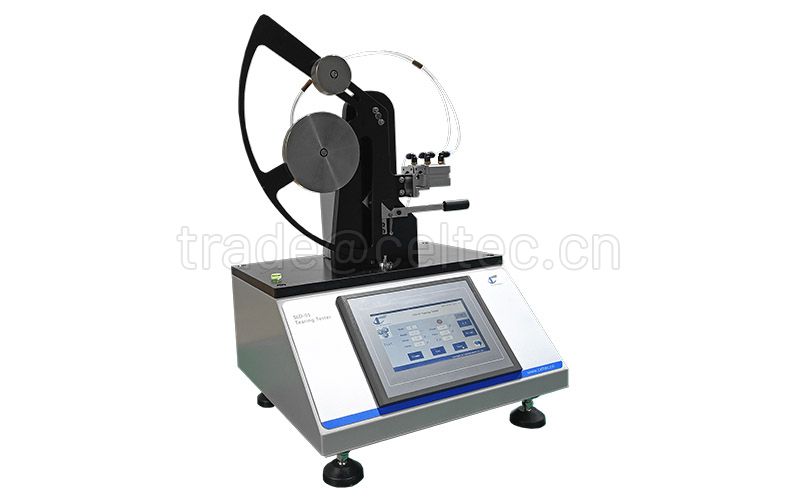
Zakaj je preizkušanje solz pomembno?
Preskušanje odpornosti proti trganju ima ključno vlogo v znanosti o materialih in inženirstvu, saj ponuja dragocene informacije o odpornosti materiala proti trganju. Njegov pomen se razteza na številne vidike razvoja izdelkov, zagotavljanja kakovosti in varnosti. Tukaj je nekaj razlogov, zakaj je preskušanje odpornosti proti trganju nujno:
- Razumevanje lastnosti materialov: Preskus trganja pomaga ugotoviti, kako se material obnaša, ko je izpostavljen silam, ki lahko povzročijo trganje. To znanje proizvajalcem omogoča, da napovedujejo trajnost in zmogljivost materiala v praktičnih, realnih pogojih.
- Zagotavljanje nadzora kakovosti: V panogah, kot so tekstilna, embalažna in avtomobilska industrija, je odpornost proti trganju ključni parameter kakovosti. Preskusi odpornosti proti trganju zagotavljajo zanesljivo in standardizirano metodo za ocenjevanje te lastnosti, kar pomaga ohranjati dosledno kakovost izdelkov.
- Vpliv na oblikovanje izdelka in izbiro materialov: Znanje o natezni trdnosti materiala inženirjem in oblikovalcem omogoča, da izberejo ustrezne materiale za posamezne namene uporabe. S tem se zagotovi, da so izdelki izdelani tako, da prenesejo obremenitve med delovanjem, kar izboljša tako njihovo zmogljivost kot tudi življenjsko dobo.
- Podporne varnostne zahteve: V številnih primerih uporabe – kot so padala, zaščitna oblačila ali zračne blazine v vozilih – je odpornost proti pretrganju neposredno povezana z varnostjo. Preskusi odpornosti proti pretrganju zagotavljajo podatke, potrebne za preverjanje, ali materiali zanesljivo delujejo v potencialno nevarnih razmerah.
- Olajševanje upoštevanja predpisov: V številnih panogah veljajo strogi predpisi glede lastnosti materialov. Preskusi odpornosti proti trganju proizvajalcem omogočajo, da dokažejo skladnost s temi standardi ter tako zagotovijo, da so izdelki varni, zanesljivi in pripravljeni za trg.
- Spodbujanje stroškovne učinkovitosti: Z izbiro materialov z ustrezno odpornostjo proti pretrganju za vsako posamezno uporabo lahko proizvajalci zmanjšajo količino odpadnega materiala, preprečijo prezgodnje okvare izdelkov in znižajo dolgoročne proizvodne stroške.
- Krepitev zaupanja potrošnikov: Izdelki, ki so bili testirani na odpornost proti trganju in certificirani v skladu s standardi kakovosti, potrošnikom dajejo zagotovilo o njihovi trajnosti in zanesljivosti, s čimer krepijo ugled blagovne znamke in zaupanje strank.
- Zmanjševanje vpliva na okolje: Pravilna izbira materialov na podlagi odpornosti proti trganju zmanjša verjetnost okvare izdelka in njegove zamenjave, kar prispeva k ohranjanju virov in trajnostnim proizvodnim praksam.
Skratka, preskušanje trganja je veliko več kot le rutinski laboratorijski postopek. Je ključni del ocenjevanja materialov, ki vpliva na oblikovanje izdelkov, varnost pri delovanju, skladnost z zakonodajo, upravljanje stroškov in okoljsko odgovornost. S povezovanjem teoretične analize in praktične uporabe preskušanje trganja zagotavlja, da materiali in izdelki v vsakdanji rabi delujejo tako, kot je bilo predvideno.
Prednosti preskusa odpornosti proti trganju
Preskušanje trganja ponuja vrsto prednosti, zaradi katerih je nepogrešljiva metoda pri ocenjevanju materialov, oblikovanju izdelkov in upravljanju kakovosti. Spodaj so navedene ključne prednosti vključitve preskušanja trganja v postopke analize materialov:
- Natančni kvantitativni podatki: Preskus odpornosti proti trganju zagotavlja natančne številčne vrednosti odpornosti materiala proti trganju, kar omogoča objektivno primerjavo med različnimi materiali, proizvodnimi serijami ali postopki obdelave. Ti kvantitativni podatki omogočajo utemeljene odločitve pri izbiri materialov, optimizaciji procesov in razvoju izdelkov.
- Skladnost z industrijskimi standardi: Slednje v skladu z veljavnimi standardi, kot so TAPPI T-414, ASTM D1922, ASTM D1424, ASTM D689, ISO 1974, CPPA d.9, AS/NZ 1301.400S, BS 4468 in SCAN P-11, preskusi trganja zagotavljajo doslednost in zanesljivost rezultatov preskusov. To je ključnega pomena za skladnost z zakonodajo, certifikacijske postopke in olajšanje mednarodne trgovine.
- Izboljšana izbira materialov: Podatki, pridobljeni s preskusi trganja, inženirjem in oblikovalcem pomagajo izbrati materiale, ki so najbolj primerni za določene zahteve pri uporabi, s čimer se izboljšajo zmogljivost izdelka, njegova trajnost in zadovoljstvo uporabnikov.
- Večja varnost izdelkov: V primerih, kjer je odpornost proti pretrganju ključni varnostni dejavnik – na primer pri varnostnih pasovih v avtomobilih, zaščitni opremi ali industrijskih membranah –, preskusi odpornosti proti pretrganju pomagajo preveriti, ali materiali izpolnjujejo varnostne specifikacije, s čimer se zmanjša tveganje za okvare med uporabo.
- Zanesljiv nadzor kakovosti: Preskuse odpornosti proti trganju je mogoče vključiti v rutinske protokole zagotavljanja kakovosti, s čimer se zagotovi, da izdelki dosledno izpolnjujejo zahtevane standarde učinkovitosti. To povečuje zaupanje kupcev in krepi integriteto blagovne znamke.
- Stroškovno učinkovita proizvodnja: S tem, da se že v zgodnji fazi načrtovanja in proizvodnje ugotovi, kateri materiali so najprimernejši, preskusi odpornosti proti trganju zmanjšujejo verjetnost napak pri izdelkih, okvar ter dragih odpoklicev ali garancijskih zahtevkov, s čimer prispevajo k splošni stroškovni učinkovitosti.
- Prilagojene metode testiranja: Glede na vrsto materiala in namembnost je mogoče izbrati med različnimi metodami preskusa trganja, kot so Elmendorfov preskus trganja, preskus trganja hlač ali preskus enojnega trganja, kar omogoča prilagodljive in za posamezno uporabo specifične ugotovitve.
- Pregled napovedne uspešnosti: Preskusi odpornosti proti trganju ponujajo dragocene napovedi o tem, kako se bodo materiali obnašali v dejanskih pogojih, kar proizvajalcem omogoča, da predvidijo morebitne težave z delovanjem in jih odpravijo, še preden izdelki pridejo na trg.
- Koristi za okolje: Izbira ustreznih, trajnih materialov na podlagi preskusov odpornosti proti pretrganju zmanjša količino odpadnega materiala, zmanjša potrebo po zamenjavah in prispeva k bolj trajnostnim proizvodnim praksam.
- Podpira inovacije ter raziskave in razvoj: Preskušanje odpornosti proti trganju ima ključno vlogo v raziskavah in razvoju, saj zagotavlja pomembne podatke za razvoj novih materialov ali izboljšanje obstoječih izdelkov. Pospešuje inovacije, saj omogoča preverjanje lastnosti materialov v nadzorovanih in merljivih pogojih.
Skratka, preskus odpornosti proti trganju je veliko več kot le preprost mehanski preskus – gre za strateško orodje, ki podpira zagotavljanje kakovosti, varnost izdelkov, upravljanje stroškov, skladnost z zakonodajo in trajnostno oblikovanje. Zaradi svoje vsestranskosti in pomembnosti je postal temelj sodobne znanosti o materialih, inženirstva in proizvodne industrije.
Kako se izračuna preskus trganja?
Preskus odpornosti proti trganju ugotavlja odpornost materiala proti trganju z merjenjem sile, potrebne za nastanek ali širjenje trganja. Postopek izračuna se lahko razlikuje glede na vrsto uporabljene preskusne metode in lastnosti materiala. V nadaljevanju je na kratko opisano, kako se izvaja in izračuna preskus odpornosti proti trganju:
- Priprava vzorca: Preskusni vzorci se pripravijo v skladu s konkretnim standardom, ki se upošteva, na primer po metodah ASTM, ISO ali EN. To običajno vključuje izrezovanje materiala v določeno obliko – na primer v obliki hlačnic, jezičkov ali kril – ter izdelavo predhodnega reza ali zareze za začetek trganja.
- Nastavitev preskusne opreme: Pripravljen vzorec se pritrdi v preskusni stroj, ki lahko deluje z nadzorovano silo trganja. Odvisno od preskusne metode je to lahko stroj za natezno preskušanje, nihajna naprava za preskušanje trganja (kot se uporablja pri Elmendorfovi metodi) ali druga specializirana oprema.
- Uporaba sile: Na vzorec deluje nadzorovana sila, bodisi z vlečenjem (pri nateznih raztrganinskih preskusih) bodisi z udarci (pri nihalnih preskusih). Delujoča sila se neprekinjeno spremlja s senzorji, kot so merilne celice.
- Merjenje sile: Zabeleži se sila, ki je potrebna za sprožitev raztrganine ali nadaljevanje njenega širjenja. Odvisno od vrste preskusa lahko to vključuje zajem največje sile, povprečne sile trganja na določeni razdalji ali sile na vnaprej določeni točki preskusa.
- Izračun trdnosti ali odpornosti na trganje: Izmerjena sila se nato uporabi za izračun trdnosti materiala pri trganju. Običajno se sila deli z dimenzijskim faktorjem, kot je debelina ali širina vzorca.
- Nadzor testnih spremenljivk: Dejavniki, kot so hitrost testiranja, temperatura okolja in vlažnost, lahko bistveno vplivajo na rezultate testiranja trganja. Te pogoje je treba med testiranjem skrbno nadzorovati ali jih zabeležiti v končni analizi, da bo razlaga točna.
- Poročanje o rezultatih: Rezultati preskusov so običajno predstavljeni v standardiziranih enotah, ki ustrezajo uporabi in vrsti materiala, na primer v newtonih (N) ali funtih (lbf) za silo trganja in N/mm ali lbf/in za trdnost pri trganju.
Z upoštevanjem teh postopkov, testiranje solz. zagotavlja zanesljive in merljive podatke, ki se lahko uporabljajo za izbiro materialov, zagotavljanje kakovosti in razvoj izdelkov v številnih panogah.