
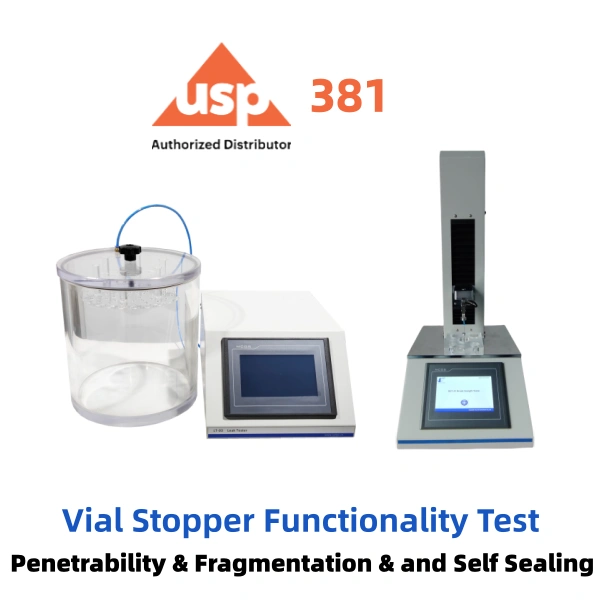
Pochopenie USP 381 a jeho úlohy vo farmaceutickom balení
USP 381 definuje požiadavky na vlastnosti elastomérových uzáverov používaných v injekčných obaloch na lieky. Tieto uzávery musia zachovať integritu obalu a zároveň umožniť opakovaný prístup k ihle bez narušenia sterility. Norma sa zameriava na tri kritické hodnotenia funkčnosti: priechodnosť, fragmentáciu a schopnosť samotesného uzatvárania.
Výrobcovia liekov a tímy kontroly kvality sa spoliehajú na USP 381 aby sa zabezpečila konzistentná funkčnosť uzáverov počas klinického používania. Zlyhanie týchto parametrov môže viesť ku kontaminácii, nepresnosti dávkovania alebo ohrozeniu bezpečnosti pacienta. Laboratóriá preto musia zaviesť presné a opakovateľné testovacie postupy zosúladené s normou.
Test funkčnosti zátky injekčnej liekovky podľa USP 381
Stránka test funkčnosti zátky injekčnej liekovky hodnotí, ako sa uzávery správajú pri vystavení reálnym podmienkam používania, ktoré zahŕňajú vpichy podkožnou ihlou. Test si vyžaduje vopred upravené vzorky a štandardizované ihly s kontrolovanou geometriou.
Medzi kľúčové aspekty patria:
- Používanie mazaných ihiel s dlhým skosením (12 ± 2°)
- Kontrolované polohy a frekvencia vpichov
- Presné meranie sily, tvorby častíc a integrity tesnenia
Tieto testy simulujú klinické použitie a zabezpečujú, že uzávery si zachovajú mechanické vlastnosti aj sterilitu.
Skúška priepustnosti zátky injekčnej liekovky
Stránka skúška priepustnosti zátky injekčnej liekovky meria silu potrebnú na prepichnutie uzáveru ihlou. Tento parameter priamo ovplyvňuje použiteľnosť v zdravotníckych zariadeniach.
Princíp testu
Operátori naplnia injekčné liekovky na nominálny objem, použijú uzávery a prepichnú každú zátku pomocou štandardizovanej ihly. Systém zaznamenáva silu potrebnú pri penetrácii.
Kritériá prijatia
- Maximálna prípustná sila: ≤ 10 N
- Presnosť merania: vyžaduje sa vysoká presnosť (±0,25 N)
Praktický pohľad
Nižšia a konzistentná penetračná sila zabezpečuje:
- Zníženie únavy obsluhy
- Minimalizované riziko skĺznutia ihly
- Zvýšená bezpečnosť pri vstrekovaní
Odporúčanie nástroja
Stránka NPT-01 Tester priepustnosti ihly poskytuje:
- Vysoko presné meranie sily (rozsah do 200 N)
- Nastaviteľná testovacia rýchlosť pre súlad s USP 381
- Stabilné riadenie pohybu pomocou guľôčkovej skrutky a krokového motora
Tento systém zabezpečuje opakovateľnosť a súlad s prísnymi farmaceutickými požiadavkami na kontrolu kvality.
Hodnotenie fragmentácie v USP 381
Fragmentácia hodnotí, či sa gumové častice oddeľujú od uzáveru počas opakovaného prepichovania.
Prehľad testov
- Každá zátka je viacnásobne prepichnutá na rôznych miestach
- Kvapalina sa filtruje cez jemnú membránu (≤0,5 μm)
- Počítajú sa viditeľné častice
Kritériá prijatia
- Najviac päť viditeľných úlomkov
Prečo je to dôležité
Fragmentácia predstavuje priame riziko kontaminácie. Častice vnesené do injekčných roztokov môžu viesť k:
- Bezpečnostné riziká pre pacienta
- Nedodržiavanie právnych predpisov
- Stiahnutie výrobku z trhu
Laboratóriá musia zabezpečiť integritu ihly a kontrolované podmienky testovania, aby sa zabránilo falošným výsledkom.
Test samotesnosti zátky fľaštičky
Stránka test samotesnosti zátky injekčnej liekovky hodnotí, či sa uzávery po viacnásobnom prepichnutí účinne uzatvárajú.
Testovacia metóda
- Každá zátka je prepichnutá 10-krát
- Fľaštičky sa ponoria do roztok metylénovej modrej
- Vákuum sa aplikuje a potom uvoľní
Kritériá prijatia
- V žiadnej injekčnej liekovke sa nezistilo vniknutie farbiva
Technický výklad
Tento test simuluje kolísanie tlaku v reálnom svete počas skladovania a manipulácie. Zlyhanie znamená narušenie integrity uzáveru kontajnera (CCI).
Odporúčanie nástroja
Stránka LT-03 Tester úniku podporuje tento test tým, že:
- Vytváranie riadeného vákua (až do -90 kPa)
- Jasná vizuálna detekcia úniku
- Umožnenie ukladania parametrov pre opakovateľnosť
Zvyšuje spoľahlivosť pri overovaní tesniacich vlastností pri USP 381 podmienky.
Často kladené otázky
1. Aký je účel USP 381?
Definuje požiadavky na výkonnosť elastomérových uzáverov používaných v injekčných obaloch so zameraním na bezpečnosť a funkčnosť.
2. Prečo je pri zátkach na injekčné liekovky dôležitá priedušnosť?
Zabezpečuje, aby zdravotnícki pracovníci mohli bezpečne a ľahko prepichovať uzávery bez nadmernej sily alebo rizika.
3. Ako fragmentácia ovplyvňuje bezpečnosť liekov?
Odtrhnuté častice môžu kontaminovať injekčné lieky a predstavovať vážne zdravotné riziko pre pacientov.
4. Kedy je potrebná skúška samotesnosti?
Vyžaduje sa pre uzávery používané v viacdávkové nádoby, kde dochádza k opakovanému prepichnutiu.
5. Aké nástroje sú vhodné na USP 381 testovanie?
Systémy ako NPT-01 Needle Puncture Tester a LT-03 Leak Tester poskytujú presné, opakovateľné a kompatibilné testovacie riešenia.