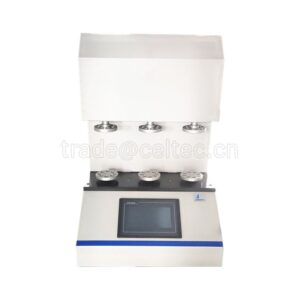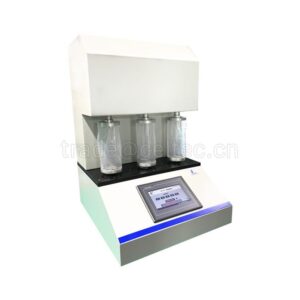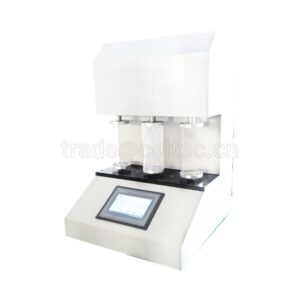
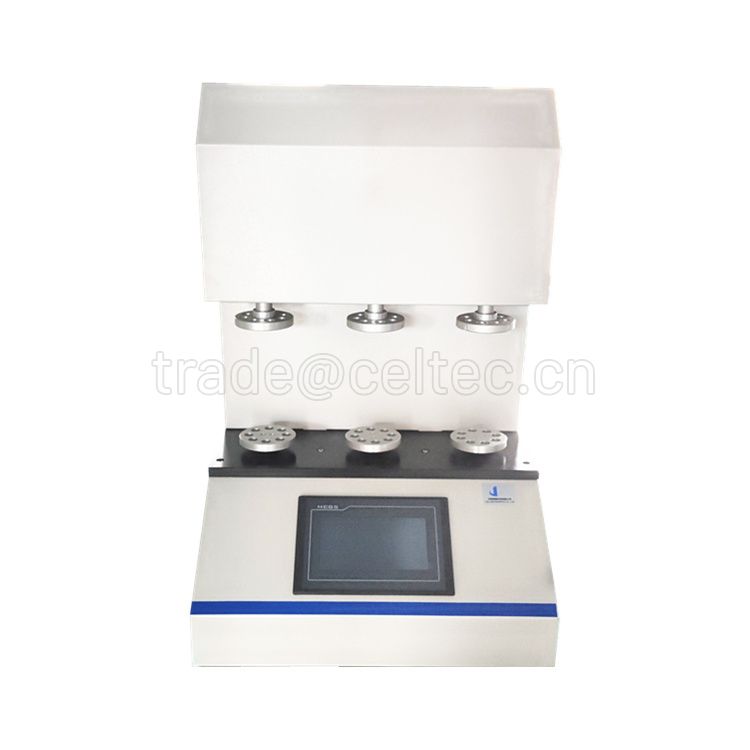
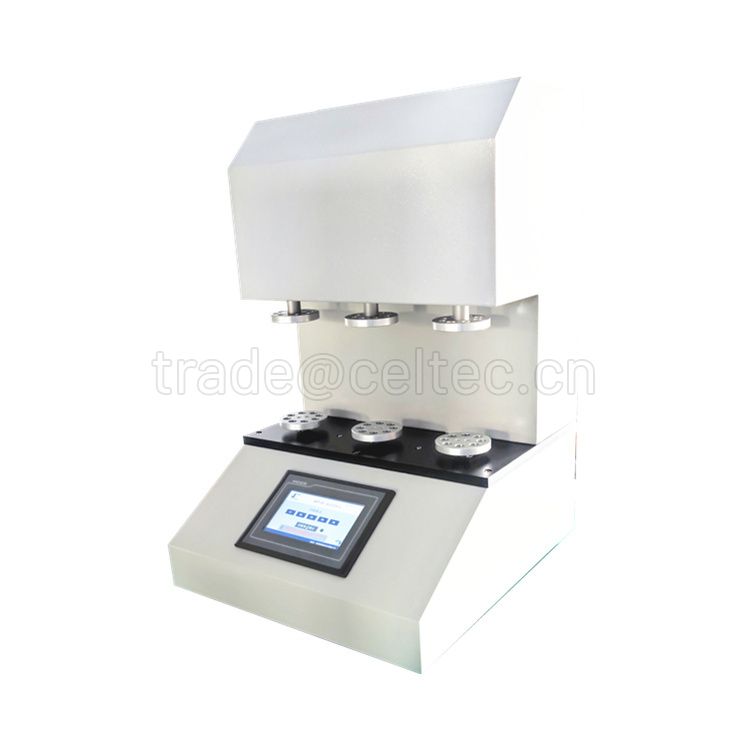
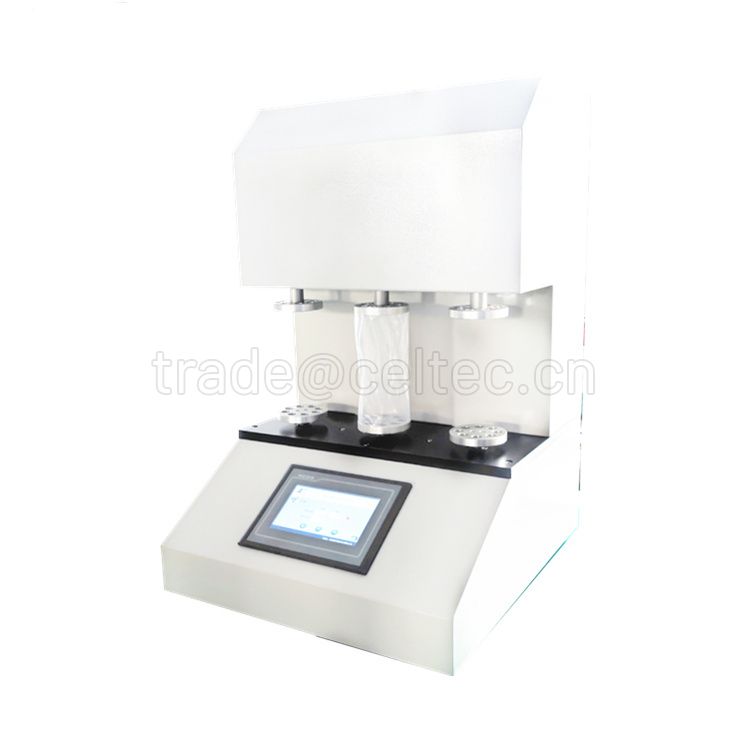
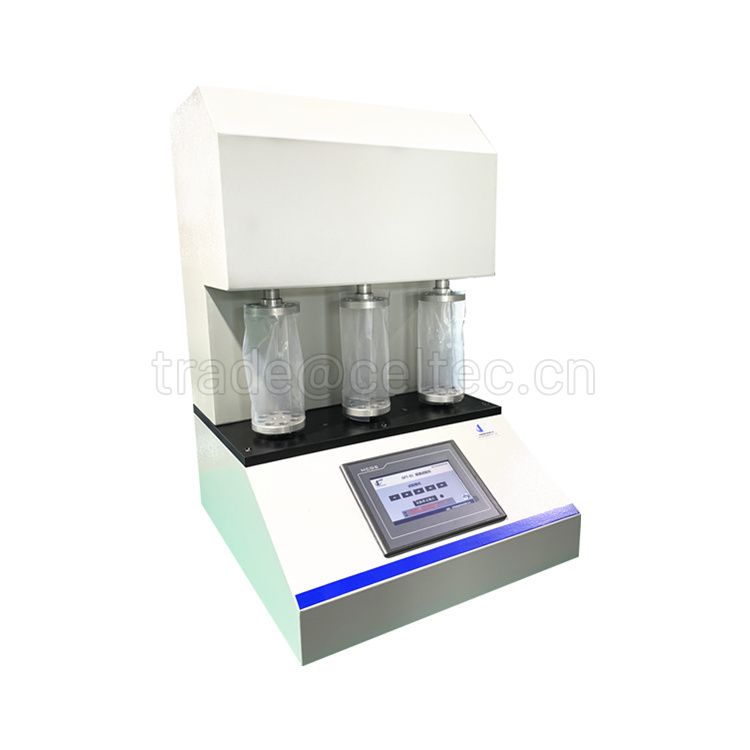
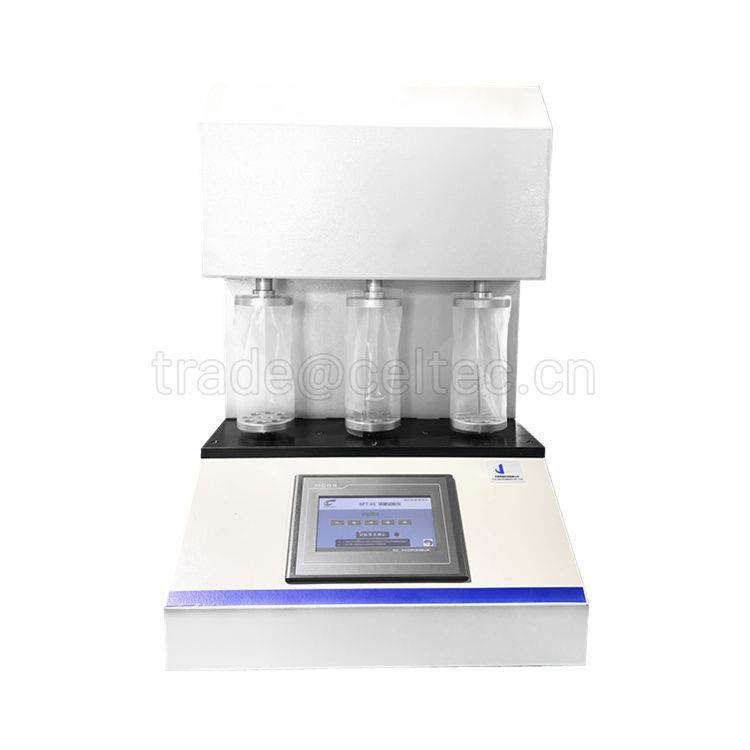
GFT-02 Gelbo Flex Tester

GFT-02 Gelbo Flex Tester is a three-station flex durability tester, which is used to evaluate the flex resistance property of flexible barrier materials.

1. Introduction of Gelbo Flex Tester

Gelbo Flex Tester is a three-station 曲げ耐久性試験機, which is used to evaluate the flex resistance property of flexible barrier materials. It’s valuable procedure in determining the resistance of flexible packaging materials to flex-formed pinholes.

One key property of flexible barrier material is the resistance against repetitive strain, which is called flex durability, or Gelboflex. Intertek operates specialized Gelbo-flex equipment to determine the flex resistance, also called the flex tester.

Gelbo Flex Tester designed to measure flexible barrier materials for flex durability to ASTM F392. The  Gelbo Flex Tester is a microprocessor controlled system, with a user controllable pre-set method programmed for ASTM F392.

Gelbo Flex Testing is intended to subject a target material to the fatigue of repetitive twisting, crunching, and flexing motions under controlled conditions. The material can then be examined for the presence of any flex cracks or pinholes. To perform a Gelbo test, packaging material is repeatedly twisted and crushed and then evaluated for flex failure. The flexing action performed during the test consists of a twisting motion combined with a horizontal compression motion that provides repetitive strain to test the flex resistance of the flexible barrier material for the entirety of the test. Flex failure is typically determined by the appearance of pinholes or integrity failures in one or more plies of a multi-ply structure, or the breakdown of barrier properties. The commonly used standard for Gelbo flex testing is ASTM F392, though it can vary.

The Gelbo Flex Tester is a critical piece of equipment used in the testing of packaging materials, particularly flexible films and bags. It performs the Gelbo Flex Test, which simulates the stresses and strains that packaging might experience during handling, transportation, and storage. This test helps manufacturers evaluate the durability and resistance of the materials to flexing and folding, ensuring that the packaging can protect the contents effectively throughout its lifecycle. By using a Gelbo Flex Tester, companies can identify potential weaknesses in their packaging designs and make necessary improvements to enhance product safety and consumer satisfaction.

GFT-02 Gelbo Flex Tester

2. Advantages of Gelbo Flex Tester

PLC controlled and 7-inch HMI touch screen operated

High test efficiency of 3 test stations

Test conditions A, B, C, D and E can be directly selected

Sample metal clamps provided

GFT-02 Gelbo Flex Tester

3. Test Principle of Gelbo Flex Tester

Gelbo Flex Tester consists of three pairs of 90 mm [3.5 in.] diameter upper and lower mandrels. They space at 180 mm [7 in.] from face-to-face at the starting position (that is, maximum distance) of the stroke.

Mandrels contain circular vents to prevent pressurization of samples. The specimen supporting shoulders on the mandrels are 13 mm wide.

For the full or maximum stroke (condition A~D), the lower mandrels give a twisting motion of 440° in the first 90 mm [3.5 in.] of the stroke of the upper mandrels. Then the upper mandrels perform a straight horizontal motion of 65 mm [2.5 in.], so that at the closed position the mandrels are 25 mm apart. The motion of the mandrels is reciprocal with a full cycle consisting of the downward and return strokes.

For the partial flex, Condition E, the upper mandrels travel only 80 mm [3.25 in.] of the 180 mm [7 in.] spacing. Only approximately 90 % of the twisting stroke of upper mandrels are utilized resulting in a twisting motion of 400°.

The entire cycle occurs at a speed of 45 cycles per minute.

The various flex conditioning levels can be selected directly from screen.

Condition A—Full flex for 1 h (that is, 2700 cycles).

Condition B—Full flex for 20 min (that is, 900 cycles).

Condition C—Full flex for 6 min (that is, 270 cycles).

Condition D—Full flex for 20 cycles.

Condition E—Partial flex for 20 cycles.

GFT-02 Gelbo Flex Tester

4. Gelbo Flex Tester Application

Flexible Films, Composite Films and Coating Films

Including plastic films, sheets and composite films e.g. composite films, aluminized films, aluminum plastic composite films, nylon films and coating films for food or drug packages

Paper Materials

Test the Flex Durability of paper materials

5.  Gelbo Flex Tester Specifications

Flex Frequency 45 cpm
Flex Angle 440° (90 mm) or 400° (80 mm)
Capacity 3.5 N.m
Horizontal Stroke 155 mm or 80 mm
Test Stations 3
Sample Size 280 mm x 200 mm
Power 110~220V

6. Gelbo Flex Tester Standards

ASTM F392 Standard Practice for Conditioning Flexible Barrier Materials for Flex Durability

YY/T 0681.12 Test methods for sterile medical device package Part 12: Flex durability of flexible barrier films

GFT-02 Gelbo Flex Tester

7. Configuration of Gelbo Flex Tester

a) Standard configuration: Gelbo Flex Tester, Sample Clamp, fuses, manual, power cord.

b) Optional configuration: Sample Clamp, adhesive tape


8. FAQs of Gelbo Flex Tester

Q: How the samples are evaluated after ASTM F392 flex durability test?

A: Permeation testing using gas or water vapor, presence of pinholes


If you have any questions about the  Gelbo Flex Tester, you can contact us at any time! Cell Instruments gives you a satisfactory solution.

GFT-02 Gelbo Flex Tester

Tag

ja日本語