
A جهاز اختبار ضغط الصندوق أداة أساسية لتقييم قوة ضغط مواد التعبئة والتغليف. فهي تسمح للمصنعين بتحديد متانة وقدرة التحميل للصناديق المموجة وحاويات الشحن، مما يضمن نقل المنتج وتخزينه بأمان. في هذا الدليل، سنستكشف في هذا الدليل كيفية عمله وتطبيقاته الرئيسية وقيمته في مراقبة جودة التغليف - مع التركيز على حلول من Cell Instruments.
ما هو جهاز اختبار ضغط الصندوق؟
جهاز اختبار ضغط الصناديق (BCT) هو آلة اختبار معملية تُستخدم لقياس قوة ضغط صناديق التغليف المختلفة، بما في ذلك الكراتين المموجة وحاويات الشحن. ومن خلال تطبيق ضغط محكوم، يحدد الجهاز مقدار القوة التي يمكن أن يتحملها الصندوق قبل أن ينهار. هذا الاختبار ضروري للتحقق من موثوقية التغليف عبر سلسلة التوريد وتقليل مخاطر تلف المنتج.
في Cell Instruments, ، نوفر أنظمة اختبار ضغط الصناديق المتقدمة التي تساعد الشركات على تقييم مرونة التغليف في ظل ظروف التكديس والتحميل.
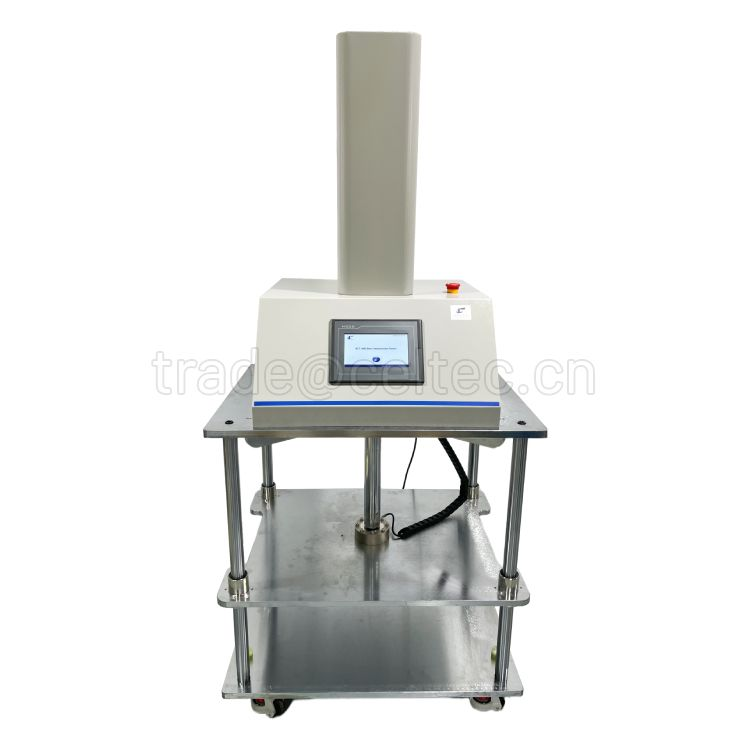
هيكل اختبار الضغط الصندوقي
يتألف جهاز الاختبار من لوحة ضغط علوية تتحرك لأسفل بمعدل متحكم به ولوحة سفلية ثابتة لحمل العينة. يقيس مستشعر الحمل عالي الحساسية القوة المطبقة حتى يتشوه الصندوق أو ينهار. يتم عرض البيانات في الوقت الحقيقي على شاشة رقمية، مما يوفر نتائج دقيقة وقابلة للتكرار.
تعتمد صناعات مثل التجارة الإلكترونية والخدمات اللوجستية والمستحضرات الصيدلانية وتغليف المواد الغذائية على عملية الاختبار هذه لتحسين تصميمات التغليف واختيار المواد المناسبة وتقليل فقد المنتج.
مبدأ عمل جهاز اختبار ضغط الصندوق
يتضمن اختبار ضغط الصندوق تطبيق حمل انضغاطي متزايد باطراد على صندوق تغليف حتى يحدث الفشل. تظل اللوحة السفلية ثابتة بينما تنزل اللوحة العلوية بسرعة منتظمة. ومع تزايد الحمل، تقيس الحساسات باستمرار المقاومة التي يقدمها الصندوق، مما يوفر بيانات في الوقت الفعلي حول قوة التراص وقدرته على تحمل الأحمال.
يتبع الاختبار منهجيات موحدة للحفاظ على الدقة والاتساق. وهو يساعد المصنعين على تحديد ما إذا كانت العبوات تفي بمعايير الصناعة وتتحمل سيناريوهات التحميل في العالم الحقيقي بأمان.
تطبيقات أجهزة اختبار الضغط الصندوقية
- اختبار الصناديق المموجة: يقيس قوة ضغط علب التغليف الكرتونية.
- الشحن والخدمات اللوجستية: التحقق من أن الصناديق تتحمل ضغوط التراص أثناء النقل.
- تقييم التخزين في المستودعات: يضمن قدرة العبوة على الصمود في ظروف التخزين المكدسة.
- التحقق من صحة تغليف التجارة الإلكترونية: اختبار متانة الطرود الخاصة بتوصيل المنتجات عبر الإنترنت.
- تغليف الأطعمة والمشروبات: يؤكد قوة الحاويات المستخدمة للمواد القابلة للتلف.
- التعبئة والتغليف الصيدلاني: يضمن بقاء المنتجات الطبية ومنتجات الرعاية الصحية محمية أثناء المناولة والتوزيع.
لماذا يعتبر اختبار ضغط الصندوق مهمًا
ضمان قوة التعبئة والتغليف والسلامة
جهاز اختبار ضغط الصندوق من Cell Instruments يتحقق من أن مواد التعبئة والتغليف تتحمل التكديس والنقل والمناولة دون تعطل. وهذا يقلل بشكل كبير من فقدان المنتج ويعزز رضا العملاء.
الحد من أضرار الشحن والتخزين
يحدد اختبار الضغط نقاط ضعف التغليف قبل التوزيع. من خلال تحسين قوة التغليف، يمكن للشركات تجنب مطالبات التلف المكلفة وتحسين سلامة المخزون.
استيفاء المعايير الدولية
معدات اختبار موثوقة من Cell Instruments يضمن الامتثال لمعايير جودة التغليف العالمية، مثل:
- ASTM D642: طريقة الاختبار القياسية لمقاومة الانضغاط لحاويات الشحن.
- ISO 12048: المعيار الدولي لاختبار ضغط العبوات.
- TAPPI T804: معيار الصناعة لتقييم قوة تكديس الكرتون.
كيف يعمل جهاز اختبار ضغط الصندوق؟
إجراء الاختبار:
- نموذج التنسيب: توضع عينة الصندوق بين اللوحين.
- تطبيق القوة: تطبق الصفيحة العلوية قوة ضاغطة بمعدل مضبوط.
- جمع البيانات: يتم تسجيل القوة التي ينهار عندها الصندوق.
- تحليل النتائج: يتم تحديد سعة التحميل القصوى للحمل، مع الإبلاغ عن تحسينات التعبئة والتغليف.
الميزات الرئيسية التي يجب مراعاتها
- سعة تحميل عالية: لاختبار أحجام وأوزان العبوات المختلفة.
- واجهة رقمية سهلة الاستخدام: يوفر نتائج واضحة ودقيقة وسهولة في التشغيل.
- الامتثال للمعايير الدولية: يضمن نتائج موثوقة تفي بلوائح التعبئة والتغليف العالمية.
- تخزين البيانات وإنشاء التقارير: يساعد في تتبع اتجاهات الأداء والحفاظ على سجلات الاختبار.
الأسئلة الشائعة (FAQs)
ما هو اختبار ضغط الصندوق؟
يقوم اختبار ضغط الصندوق بتقييم مقدار قوة الضغط التي يمكن لصندوق التغليف تحملها قبل أن يتشوه أو ينهار، مما يضمن متانته أثناء المناولة والشحن.
ماذا يفعل جهاز اختبار الضغط؟
يقيس جهاز اختبار الضغط قوة انضغاط مواد التعبئة والتغليف مثل الصناديق المموجة، ويتحقق من قدرتها على تحمل ضغط التكديس.
ما هي وحدة BCT؟
تُقاس نتائج اختبار الضغط الصندوقي (BCT) عادةً بوحدة الكيلوغرام (قوة الكيلوغرام) أو النيوتن (نيوتن) أو الرطل (رطل-قوة)، اعتمادًا على المعايير الإقليمية ومعايير الاختبار.
ما هي صيغة BCT؟
قوة BCT = الحمل عند الفشل (نيوتن) / مساحة الصندوق (م²)
تساعد هذه المعادلة في تحديد قوة التراص القصوى للصندوق.
لماذا تختار Cell Instruments؟
Cell Instruments هي شركة موثوق بها في تصنيع أجهزة اختبار ضغط الصناديق عالية الأداء ومعدات مراقبة جودة التغليف. بفضل سمعتنا بالدقة والمتانة والابتكار، ندعم الصناعات في جميع أنحاء العالم في تحسين سلامة التعبئة والتغليف وتلبية المعايير التنظيمية.
تم تصميم أنظمة الاختبار المتقدمة الخاصة بنا لسهولة الاستخدام، والنتائج الموثوقة، والاندماج السلس في عمليات إدارة الجودة - سواء في قطاعات التصنيع أو الخدمات اللوجستية أو التجارة الإلكترونية.
- اختبار دقيق وقابل للتكرار لقوة الضغط
- الامتثال لمعايير ASTM وISO وTAPPI
- الدعم الفني المتخصص والحلول المخصصة
الأفكار النهائية
يعد الاستثمار في جهاز اختبار ضغط الصناديق أمرًا ضروريًا للشركات التي تهدف إلى تحسين جودة التعبئة والتغليف، وتقليل أضرار النقل، والامتثال للمعايير العالمية. من خلال دمج اختبار قوة الضغط في عمليات مراقبة الجودة الخاصة بك مع Cell Instruments’ أنظمة موثوقة، يمكنك تعزيز سلامة التعبئة والتغليف، وتحسين تكاليف المواد، وحماية منتجاتك طوال سلسلة التوريد.