
Basınç Çürümesi Sızıntı Testine Giriş
Basınç bozunumu sızıntı testi, üretim hatlarında en yaygın kullanılan yöntemlerden biridir. Bu yöntemin basit, helyum testine kıyasla uygun maliyetli ve otomatikleştirilmesi kolay olması, onu çeşitli endüstrilerde tercih edilen bir seçenek haline getirmektedir.
Basınç Çürümesi Sızıntı Testi Nasıl Çalışır?
Basınç düşürme yöntemi, bir test bileşeninin basınçlı hava ile doldurulmasını içerir. İstenen basınca ulaşıldığında, bileşen hava kaynağından izole edilir ve stabilize olmasına izin verilir. Daha sonra bir sensör, belirli bir süre boyunca herhangi bir basınç düşüşünü ölçer.
Temel ilke: Basınçtaki düşüş bir sızıntının varlığına işaret eder. Basınç düşüşünün oranı sızıntının ciddiyetini belirler. Basınç değişikliği meydana gelmezse, bileşenin sızıntı yapmadığı kabul edilir.
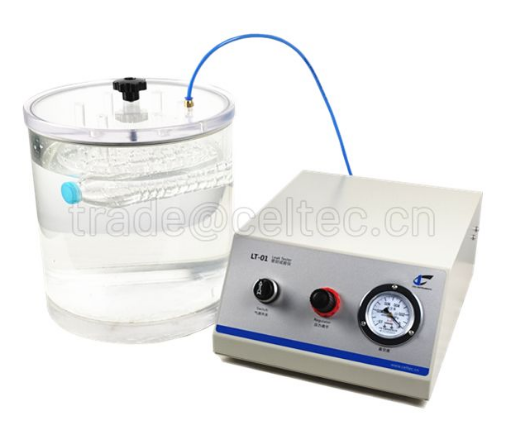
Basınç Çürüme Testinin Avantajları
Son Derece Doğru: En küçük sızıntıları bile tespit eder.
Uygun Maliyetli: Helyum gibi pahalı gazlar yerine hava kullanır.
Çok yönlü: Hem pozitif hem de negatif basınç testi için uygulanabilir.
Geniş Endüstri Uygulamaları: Otomotiv, medikal, ambalaj ve endüstriyel üretimde kullanılır.
Basınç Çürüme Testi Uygulamaları & Sektörler
Basınç bozunumu sızıntı testi, aşağıdakiler de dahil olmak üzere çeşitli sektörlerde kullanılmaktadır:
Otomotiv - Yakıt sistemi bileşenleri, radyatörler ve hava yastığı sistemleri.
Tıbbi - Tıbbi hortumlar, şırıngalar ve kapalı kaplar.
Ambalaj - Mühürlü yiyecek ve içecek kapları.
Endüstriyel İmalat - Hidrolik ve pnömatik bileşenler.
Basınç Çürüme Testi Prosedürü: Adım Adım
1. Kartuş Montajı ve Islatma
Tüm bileşenlerin mevcut olduğundan emin olun.
Tüm bağlantı parçalarını sabitleyerek kartuşu muhafazaya takın.
Önceden ıslatılmış bir kartuş kullanıyorsanız teste devam edin.
Kartuşu ıslatmak için, sıvı akışına izin vermek ve hava kabarcıklarını gidermek üzere valfleri açın.
2. Basınç Çürüme Testinin Gerçekleştirilmesi
Tüm vanaların başlangıçta kapalı olduğundan emin olun.
Düzenlenmiş bir hava veya nitrojen kaynağı bağlayın.
Basıncı yavaşça belirtilen test değerine yükseltin.
Vanayı kapatın ve stabilizasyona izin verin.
Belirli bir süre boyunca (tipik olarak 10 dakika) basınç düşüşünü ölçün.
Basınç düşüşü eşik değerin altındaysa bileşen geçer.
Basınç Çürüme Testi Formülü
Basınç azalma oranı aşağıdaki formül kullanılarak hesaplanabilir:
DP = D * T * Pa / V
Nerede?
DP = İzin verilen maksimum basınç düşüşü.
D = Difüzyon hızı limiti.
T = Dakika cinsinden test süresi.
Pa = Atmosferik basınç (14,7 psi).
V = Test aparatının hacmi.
Yaygın Sorunlar ve Sorun Giderme
1. Sıhhi Tesisatta Hava Kaçakları
Tüm bağlantıların hava geçirmez olduğundan emin olun. Düzenli sistem sızıntı kontrolleri yapın.
2. Marjinal Hatalar
Kartuşu yeniden ıslatın ve gerekirse yeniden test edin.
3. Yanlış Kartuş Takılması
O-ringlerin hasarsız olduğundan ve düzgün oturduğundan emin olun.
Sonuç
Basınç bozunumu sızıntı testi, imalat ve endüstriyel uygulamalarda sızıntıları tespit etmek için güvenilir, uygun maliyetli ve yaygın olarak benimsenen bir yöntemdir. Üreticiler doğru prosedürleri izleyerek ve olası sorunları gidererek ürün bütünlüğünü ve güvenliğini sağlayabilir.
İyi donanımlı tesislerimiz ve üretimin tüm aşamalarında mükemmel kalite kontrolümüz, alıcılara tam memnuniyet garantisi vermemizi sağlar Isı Yalıtım Test Cihazı,Kaçak Test Ekipmanı Üreticisi,Sızıntı ve Sızdırmazlık Dayanımı Test Cihazı,Çin Test Ekipmanları,Malzeme Test Cihazları,Özel Test Ekipmanları,Çekme Test Cihazı,Vakum Kaçak Test Cihazı,Tekstil Testleri,Sürtünme Katsayısı Test Cihazı,Elektronik Test
Bu ürün hakkında daha fazla bilgi almak isterseniz, lütfen bizimle iletişime geçmekten çekinmeyin. Sizin için diğer popüler ürünleri tavsiye ederiz: Brüt Kaçak Test Cihazı Ekipmanları, Brüt Kaçak Test Cihazı Ekipman Testi, Brüt Kaçak Test Cihazı Ekipman Testi, gelbo flex test cihazı üreticisi, Gelbo Flex Test Cihazı üretici, Gelbo Flex Test Cihazı tedarikçisi, Gelbo Flex Test Cihazı Çin, Gelbo Flex Test Cihazı hizmetleri, Sızıntı ve Sızdırmazlık Dayanımı Test Cihazı Çin, Sızıntı ve Sızdırmazlık Dayanımı Test Cihazı çözümü, Gelbo Flex Test Cihazı çözümü, Cof Test Cihazı tedarikçisi