
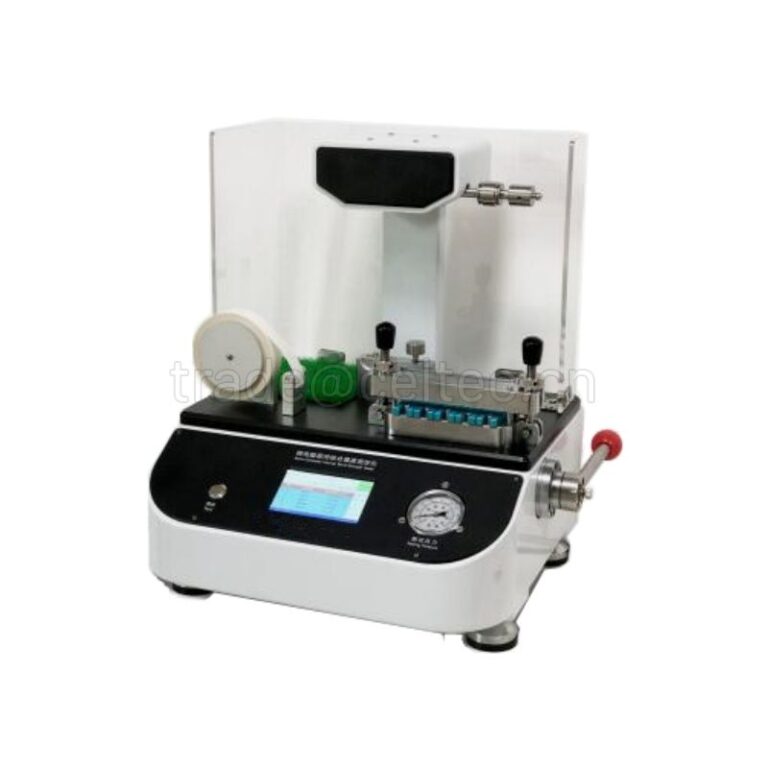
1. Introduzione del tester di legame interno BGT-01
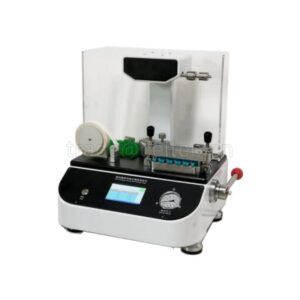
BGT-01 Tester di legame interno è utilizzato per misurare l'energia necessaria a delaminare rapidamente un pezzo di carta o di cartone. La rottura del pezzo di prova nella direzione “Z” o dello spessore viene avviata da un pendolo con una massa definita, che si muove a una velocità definita. Il test è adatto a carte e cartoni sia a uno che a più strati, compresi i fogli patinati e quelli laminati con pellicole di polimeri sintetici. È particolarmente indicato per carte e cartoni che possono essere sottoposti a impatti rapidi in direzione z, impulsi o carichi d'urto durante la stampa o la trasformazione.
Per la determinazione della forza di adesione interna di carta e cartone. L'Internal Bond Tester è utilizzato per determinare l'adesione interna di carta e cartone. Un pendolo colpisce un campione preparato e lo spacca in condizioni controllate. L'Internal Bond Tester è conforme allo stato dell'arte della tecnologia e convince grazie a un display touchscreen di facile utilizzo, a un ritorno del pendolo completamente automatico e alla possibilità di cambiare i vari pendoli con estrema facilità.
BGT-01 Tester di legame interno ha un'ampia applicazione nella carta e nel cartone a uno o più strati, compresa la carta patinata e quella rivestita con polimeri sintetici, il cartone come il cartoncino, il cartoncino bianco, il cartoncino grigio, il cartoncino avorio ecc. Esplora il nostro tester avanzato per legami interni, progettato per test precisi di incollaggio interno e prove di resistenza all'adesione interna. La nostra apparecchiatura garantisce una misurazione accurata di forza di legame interna, essenziale per valutare la durata e l'integrità dei materiali in varie applicazioni.

2. Perché testare la resistenza del legame interno?
Le applicazioni di stampa, trasformazione e molti prodotti sottopongono la carta e il cartone a impulsi, impatti e carichi d'urto all'interno o all'esterno del piano del foglio. Questi possono provocare cedimenti strutturali, come scollature superficiali, bolle o delaminazioni all'interno del foglio.
I denominatori comuni di questi fallimenti sono
a) l'elevata velocità dei carichi d'urto
b) il breve periodo di tempo durante il quale il materiale è sollecitato, spesso da una a poche centinaia di millisecondi
c) la natura planare della rottura della lastra risultante.
3. Principio del tester di tenuta termica HST-01
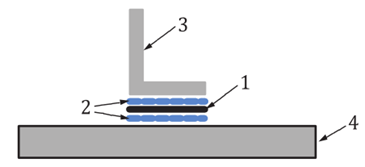
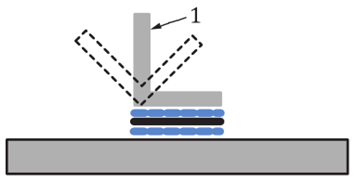
Un provino quadrato viene fatto aderire a un'incudine metallica piatta per mezzo di un nastro biadesivo. Una piastra di alluminio a forma di “L” con la stessa superficie del provino viene poi fatta aderire alla superficie superiore del provino, sempre con nastro biadesivo. L'insieme viene fissato in posizione e un pendolo può colpire la superficie interna superiore della lastra, facendola ruotare intorno all'angolo esterno e dividendo il pezzo in direzione “Z” o dello spessore.
Si calcola l'energia assorbita nella rottura del provino.
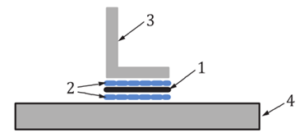
Immagine dell'assemblaggio
1 pezzo di prova
2 nastro biadesivo
3 piastre in alluminio
4 incudine di metallo
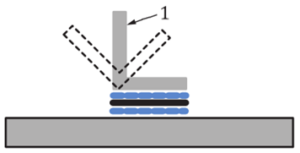
1 punto e direzione di battuta del pendolo
4. Vantaggi del tester di tenuta termica HST-01
Rilascio automatico a pendolo
Risoluzione: Risoluzione dell'acquisizione dati di 0,001 lbf/in², con encoder di alta precisione a 5000 impulsi.
Autocalibrazione: Kit speciale di strumenti di calibrazione a 5 livelli (accessorio aggiuntivo)
Commutazione unità: commutabile tra J/M2 e lbf/in²
Interfaccia uomo-macchina: Touchscreen a colori da 5,0 pollici, visualizzazione in tempo reale dei dati di prova.
Software: Software opzionale di connessione al computer per l'elaborazione dei documenti e la stampa in formato A4 sul terminale.
Uscita di stampa: Stampante termica integrata modulare
5. Specifiche del tester di tenuta termica HST-01
| Dimensione del campione | 25,4*25,4 mm (cinque gruppi) |
| Forza di tenuta del campione | 0~400N (regolabile) |
| Intervallo di pressione del campione | 0~65kg/cm² |
| Angolo di impatto | 90° |
| Risoluzione | 0,001lbf/in² |
| Campo di misura | A: 0-500J/M² |
| B: 500~1000J/M² | |
| C: 1000~1500J/M2 | |
| Errore di indicazione | A: ±1J/M² B: ±2J/M² C: ±5J/M² |
| Unità | lb-ft/in², J/M² |
| Dimensioni | 450m×380cm×600mm |
| Potenza | AC 220V 50Hz |
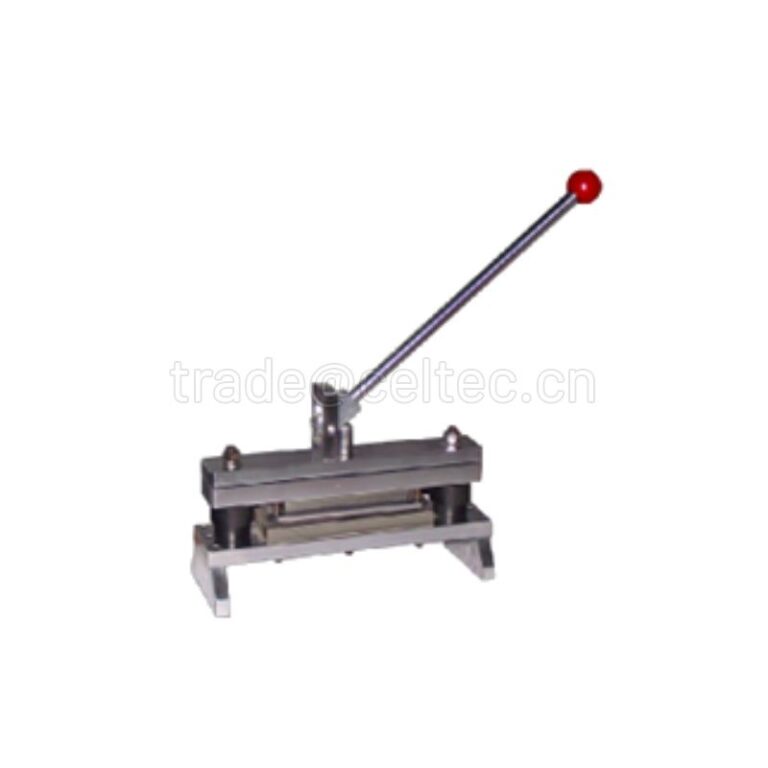
| Specifiche della fresa campione | |
| Dimensione del campionamento | 25,4 mm*140 mm |
| Parallelismo di due lati lunghi | ≤0,015 mm |
| Spessore di campionamento | (0,05~1,2) mm |
| Dimensioni | Circa 580*150*620mm |
| Peso | Circa 15 kg |
6. Norme
ISO 16260
Denominazione completa: Carta e cartone - Determinazione della forza di coesione interna (tipo Scott)
Contenuto: Norma internazionale che specifica il metodo di determinazione della resistenza interna della carta o del cartone con il metodo dell'impatto del pendolo utilizzando un tester di resistenza interna di tipo Scott.
Ambito di applicazione: Applicabile al cartone e alla carta più spessa, non applicabile alla carta sottile.
TAPPI T 569
Nome completo: Resistenza all'incollaggio interno del cartone (direzione z)
Contenuto: Standard dell'American Pulp and Paper Industry Association (TAPPI), che misura specificamente la forza di adesione interna del cartone nella direzione Z (perpendicolare alla superficie della carta), utilizzando lo Scott Bond Tester o un'apparecchiatura equivalente per testare l'energia di assorbimento dell'impatto.
Ambito di applicazione: Particolarmente adatto per cartoni spessi come il cartone per imballaggi industriali, il cartone grigio, il cartone bianco, ecc.
GB/T 26203
Denominazione completa: Carta e cartone - Determinazione della resistenza all'incollaggio interno (metodo Scott)
Contenuto: La norma nazionale cinese, equivalente o equivalente alla norma ISO 16260, specifica il metodo per determinare la resistenza all'incollaggio interno di carta e cartone utilizzando un tester per la resistenza all'incollaggio interno Scott.
Ambito di applicazione: Applicabile a tutti i tipi di carta e cartone.
QB/T 5558
Denominazione completa: Carta e cartone - Determinazione della resistenza all'incollaggio interno (metodo Scott)
Contenuto: Standard dell'industria leggera cinese, il metodo è sostanzialmente coerente con GB/T 26203 e ISO 16260, ma serve principalmente per il controllo interno e le esigenze di classificazione della qualità dei prodotti dell'industria cartaria e dell'imballaggio nazionale.
Ambito di applicazione: Applicabile a carta, cartone e prodotti cartacei speciali.
7. FAQ del tester di tenuta termica HST-01
Che cos'è la forza di legame interna?
La resistenza al legame interno è l'energia potenziale media, espressa in J/m 2 di superficie, necessaria per delaminare un pezzo in prova nelle condizioni del test. Il risultato è la differenza tra l'energia potenziale prima e l'energia rimanente dopo la delaminazione del pezzo.
Sia che stiate conducendo test di adesione interna per prodotti in legno, materiali compositi o altri substrati, il nostro tester di adesione interna garantisce risultati affidabili. Se avete esigenze di acquisto, vi preghiamo di contattateci e Cell Instruments vi darà prodotti soddisfacenti.
