
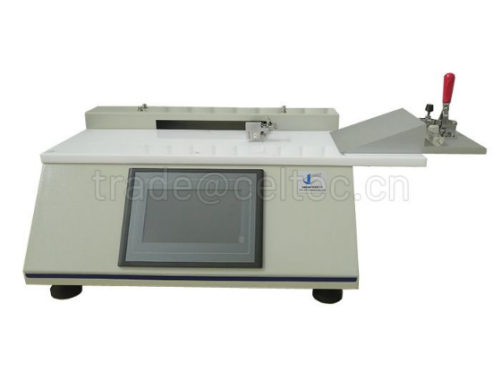
ASTM D5458 specifica un test standardizzato di peel-cling per quantificare l'interazione adesiva tra due strati di film estensibile in condizioni di stiramento e non stiramento. Il metodo delinea procedure dettagliate per la preparazione dei campioni, la messa a punto delle apparecchiature, l'esecuzione dei test e l'analisi dei dati per garantire la coerenza e la comparabilità dei risultati tra laboratori e fornitori. L'apparecchiatura chiave comprende una macchina di prova universale dotata di una speciale attrezzatura di aggrappaggio a piano inclinato e di una cella di carico da 500 g per registrare le forze di spellatura a una velocità di separazione costante della presa.
Introduzione
Il contesto del film estensibile
Il film estensibile, comunemente fabbricato in polietilene lineare a bassa densità, è ampiamente utilizzato per unire e stabilizzare i carichi dei pallet, conformandosi strettamente intorno ai prodotti quando viene applicata la tensione. L'elasticità intrinseca del film e le sue proprietà di aderenza consentono a più strati di aderire, formando un imballaggio sicuro che resiste agli spostamenti durante la movimentazione e il trasporto.
Importanza dell'aggrappante nell'imballaggio
La forza di adesione è fondamentale per mantenere l'integrità del carico, in quanto un'adesione insufficiente può causare lo scivolamento dello strato, una stabilità compromessa e potenziali danni al prodotto durante la spedizione. Quantificando la forza di spellatura, i produttori e gli utenti finali possono scegliere film che garantiscano prestazioni costanti, ottimizzino l'uso dei materiali e riducano gli scarti.
Ambito e significato dell'ASTM D5458
Ambito di applicazione dello standard
La norma ASTM D5458 si applica ai film estensibili sia in stato teso che non teso e fornisce le procedure per determinare la forza necessaria per staccare una striscia di film da 1 pollice (25 mm) da una superficie piatta. I risultati sono riportati in unità di pollici-libbre (con conversioni SI fornite a titolo informativo) e servono come riferimento per il confronto dei prodotti.
Significato e utilizzo
Questo Film estensibile Peeling Cling metodo di prova consente ai laboratori di controllo qualità di verificare che i film soddisfino le specifiche di aderenza, supportando operazioni di fissaggio del carico affidabili nei magazzini e nella distribuzione. Inoltre, guida gli sforzi di ricerca e sviluppo nella formulazione dei film collegando le proprietà dei materiali, come il tipo di resina, gli additivi e lo spessore, al comportamento di aggrappaggio misurabile.
Procedura di prova
Preparazione del campione
I campioni di pellicola comprendono un campione “base” di grandi dimensioni fissato al dispositivo inclinato e strisce più piccole di 1 pollice × 5 pollici montate su clip. × 5" montati su clip. Il condizionamento delle pellicole (ad esempio, temperatura e umidità) segue la prassi D4332 per ridurre al minimo le influenze ambientali sulle misure di aderenza.
Attrezzatura e allestimento
È necessaria una macchina di prova universale con separazione della presa a velocità costante e una cella di carico da 500 g, oltre a una macchina di prova universale con separazione della presa a velocità costante:
- Impugnature leggere in gomma (1 × 1,5 pollici) .
- Fissaggi di fissaggio e morsetti (vedi figure ASTM).
- Tagliacampioni di precisione e carta di separazione per bordi puliti.
Procedura di test
Bloccare la pellicola di base sulla superficie inclinata (faccia esterna rivolta verso l'alto) e fissare l'estremità libera con un'asta d'acciaio per applicare il prestiramento desiderato. Posizionare la striscia di pellicola sulla superficie inclinata, applicare una pressione uniforme per stabilire il contatto, quindi fissare l'estremità libera della striscia alla clip della macchina di prova. Avviare la separazione della presa alla velocità standard (ad esempio, 12 in./min) e registrare la forza di picco quando la striscia si stacca dalla base.
Calcolo della forza di aggrappaggio
La forza di adesione è definita come la forza massima di distacco per unità di larghezza (ad esempio, N/25 mm o lb/in.). Vengono testate più repliche (minimo cinque) per calcolare una media e valutare la variabilità.
Precisione e riproducibilità
Gli studi interlaboratorio (ad esempio, Practice E691) sono alla base delle dichiarazioni di precisione della norma, che indicano i limiti tipici di ripetibilità e riproducibilità per le misure di cling. Per interpretare l'incertezza di misura, gli utenti devono fare riferimento alle tabelle di precisione contenute nel documento ufficiale ASTM.
Considerazioni pratiche e suggerimenti
Assicurarsi che le superfici del film siano prive di polvere, oli o cariche statiche che possono alterare i risultati dell'aggrappaggio. Calibrare regolarmente la macchina di prova e verificare l'accuratezza delle celle di carico per mantenere l'integrità dei dati. Quando si confrontano le pellicole, mantenere condizioni ambientali e orientamento del campione coerenti.
Conclusione
L'ASTM D5458 fornisce un metodo robusto e riproducibile per valutare le prestazioni di adesione dei film estensibili, facilitando il controllo della qualità e lo sviluppo dei prodotti nell'industria dell'imballaggio. Seguendo la procedura standardizzata e tenendo conto dei parametri di precisione, i produttori e gli utenti finali possono valutare in modo affidabile l'adesione del film, ottimizzare i materiali e garantire una stabilità di carico sicura.
Per ulteriori indicazioni tecniche o per procurarsi un'apparecchiatura calibrata per il cling-test, contattateci, in qualità di vostro fornitore di fiducia, Cell Instruments fornisce soluzioni di prova complete e personalizzate in base ai requisiti di prestazione dell'avvolgimento elastico.
Se desiderate maggiori informazioni su questo prodotto, non esitate a contattarci. Raccomandiamo altri prodotti popolari per voi: Tester di adesione al peeling, Tester della forza di apertura del tappo combinato alluminio-plastica, Tester per siringhe mediche, tester per la pelatura dei contenitori, fabbrica del tester di tenuta termica della porcellana, tester di saldatura a caldo in Cina, forze sullo stantuffo della siringa, Soluzione per testare la durata della flessione, Fornitore di tester Cof, Soluzione per testare gli imballaggi medicali, Tester di tenuta e di resistenza alle perdite Cina, Soluzione per testare la resistenza di perdite e guarnizioni, Produttore di tester per cartoni, Film estensibile Peeling Cling Tester produttore, Fabbrica del tester dell'aggrappamento della sbucciatura del film estensibile, Servizi di tester per il peeling del film estensibile, Fabbrica del tester di tenuta termica a gradiente, Grossista del tester di tenuta termica gradiente, Tester di tenuta termica gradiente porcellana, Tester per film plastici, fabbrica di test sulle materie plastiche, Grossista di tester di spessore per carta e cartone, Produttore del tester per l'aggrappaggio della buccia, Tester di aderenza per la pelatura Cina, Servizi di tester per la pelatura degli indumenti, Soluzione Peeling Cling Tester