
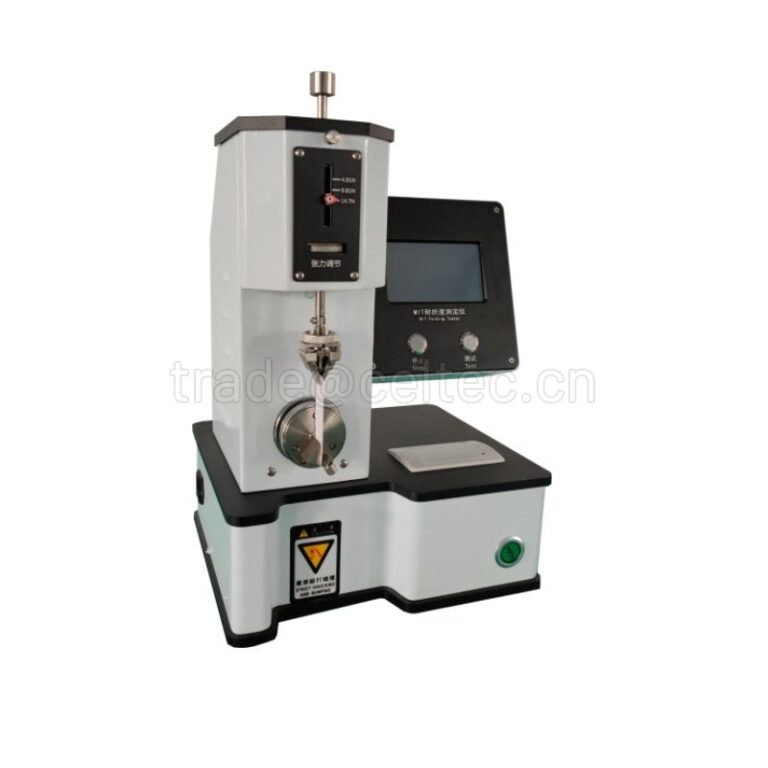
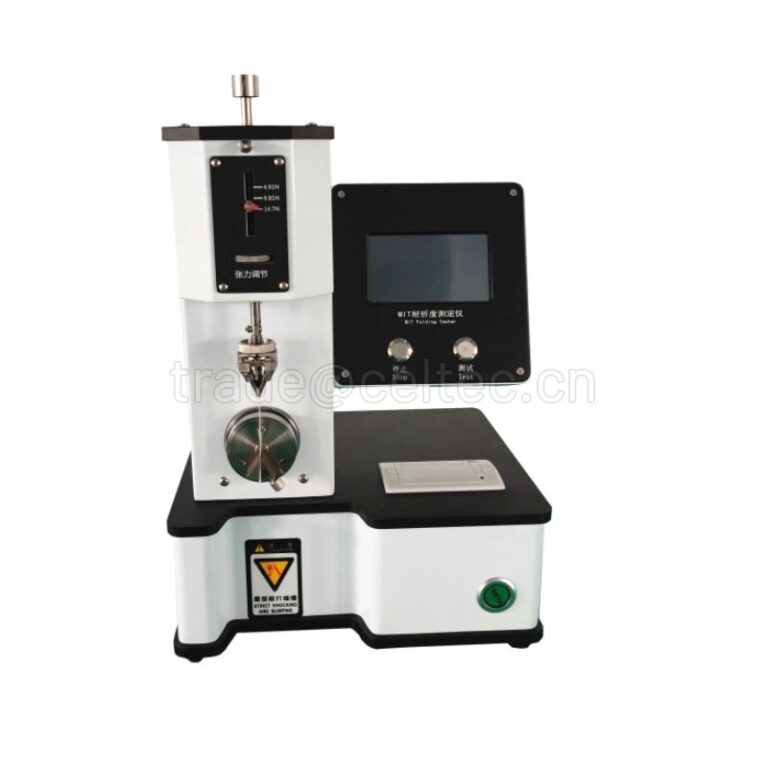
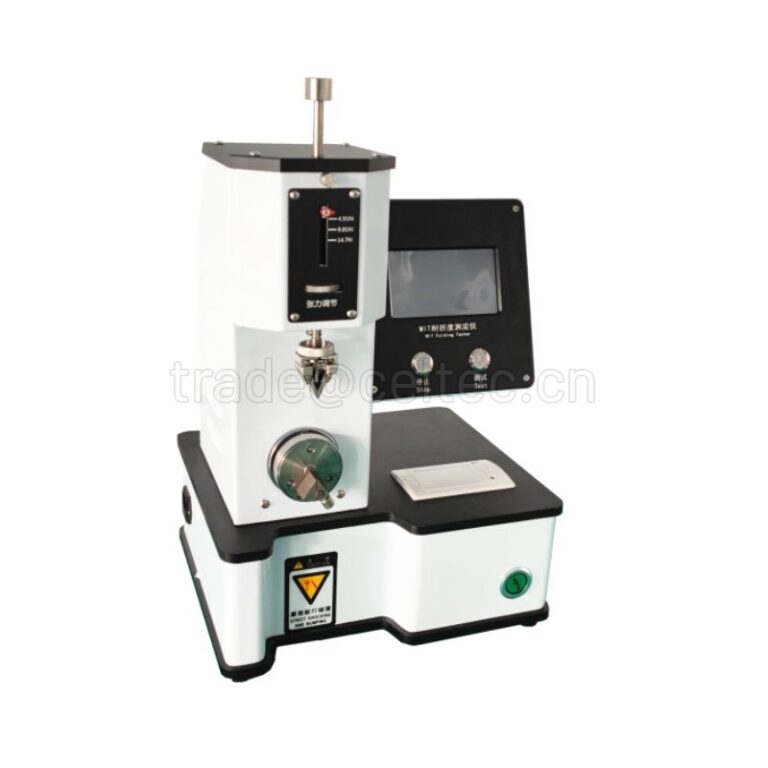
1. NZD-01 MIT kokkupandava vastupidavustesti seadme tutvustus
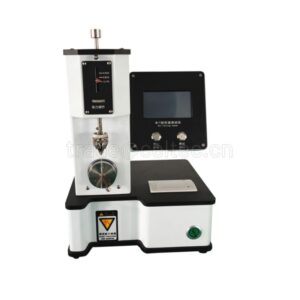
NZD-01 MIT kokkupandav vastupidavustesti on mõeldud paksusega alla 1,25 mm lehtmaterjalide, nagu paber, papp ja tubakalehed, paindevastupidavuse hindamiseks.
Katse käigus painutatakse proove standardtingimustes kahekordselt ning mõõdetakse proovi murdumiskohas tehtud kahekordsete painutuste arvu logaritmi (aluse 10). Seda logaritmilist väärtust nimetatakse painutuskindluseks ning see on oluline näitaja, mis võimaldab hinnata materjali vastupidavust kahjustustele painutamisel või murdumisel. Tavaliselt näitavad kõrgemad paindevastupidavuse väärtused suuremat vastupidavust ja vastupanu paindepinge suhtes.
The MIT-i voltimiskindluse testija leiab rakendust mitmesugustes tööstusharudes, sealhulgas paberitööstuses, papitööstuses ja tubakatööstuses. Selle katse läbiviimine võimaldab materjaliteaduse ekspertidel hinnata, kuidas materjalid taluvad tegelikes kasutustingimustes esinevaid painutus- ja paindepinget. See teave aitab tootjatel ja teadlastel valida või täiustada materjale nende omaduste põhjal.
2. Tehnilised omadused
1. Reguleeritav voltimissagedus vahemikus 20–200 kahekordset voltimist minutis
2. Saadaval on erinevaid pingutuskaalu
3. Värvilise puutetundliku ekraani kasutamine
4. Varustatud erinevate kokkupandavate peadega, mis sobivad mitmesuguste proovide töötlemiseks
5. Sisseehitatud mikroprinter
3. Katse põhimõte
Tasakaalustage seade. Pöörake võnkuvat klapppead nii, et pilu oleks vertikaalne. Asetage kolvi peale raskus, mis vastab proovile avaldatavale soovitud pingele (tavaliselt 9,81 N), koputage kolvi küljele, et kõrvaldada hõõrdumine, ning kontrollige ja seadistage koormusnäidik. Lukustage kolb asendisse ja, puudutamata volditavat riba osa, kinnitage katsekeha kindlalt ja sirgelt lõuadesse, nii et katsekeha pind asub täielikult ühel tasapinnal, st on tasane, ja küljed ei puutu võnkuva lõua kinnitusplaati. Keerake kolvi lukk lahti ja eemaldage raskus, rakendades seega ribale ettenähtud pinget. Raskuse eemaldamisel jälgige ka koormusnäidikut võimaliku liikumise suhtes. Kui liikumine esineb, reguleerige pinge uuesti selliseks, nagu see oli näidatud raskusega kolvil. Alustage painutamist ja jätkake, kuni katsekeha murdub, mil loendur peatub automaatselt. Märkige üles katsekeha purunemiseks vajalike topeltkorduste arv. Nulge loenduri näit.
4. Spetsifikatsioonid
| Mõõtmisvahemik | 1–99 999 korda |
| Kokkuvolditav vastupidavus (logaritm) | 0–4,99 |
| Kallutusnurk | (135 ± 2)° |
| Kokkuvoldimise kiirus | (175±10) korda minutis |
| Proovi laius | (15 ± 0,1) mm |
| Pingejõud | (4,91–14,72) N |
| Klapiga ava pragude vahekaugus | 0,25 mm / 0,50 mm / 0,75 mm / 1,00 mm / 1,25 mm (valige üks) |
| Kõveruse kaare raadius | (0,38 ± 0,02) mm |
| Näita | 5-tolline puutetundlik ekraan |
| Printer | Modulaarne integreeritud termoprinter |
| Keskkond | Ümbritseva õhu temperatuur (20 ± 10) °C; suhteline õhuniiskus < 85% |
| Võimsus | 220 V, 50 Hz |
Eriproovivõtja tehnilised parameetrid
| Proovivõtu suurus | 150 mm × 15 mm |
| Kahe pikema külje paralleelsus | ≤0.015mm |
| Proovivõtu paksus | (0,05~1,2) mm |
| Mõõtmed | Umbes 580 × 220 × 620 mm |
5. Standardid
ISO 5626, TAPPI T511, GB/T 457, QB/T 1049
6. Konfiguratsioon
a) Standardkonfiguratsioon: NZD-01 MIT kokkupandav vastupidavustesti, paberirull, kasutusjuhend, kalibreerimissertifikaat, toitekaabel.
b) Valikuline konfiguratsioon: mittestandardsed lõuad,
7. KKK
1. Mis on selle peamine eesmärk? MITi kokkupandavuse vastupidavustest, ja kuidas see hindab materjali omadusi?
The MITi kokkupandavuse vastupidavustest eesmärk on hinnata materjali vastupidavust korduva kokkumurdmise korral. Selle toimivust hinnatakse, mõõtes standardtingimustes pinget rakendades proovi murdumiskohas tehtud topeltmurdude arvu logaritmi (baas 10).
2. Kuidas on MITi kokkupandava seadme vastupidavuse testija kuidas reguleerida kokkuklapitamise parameetreid, nagu kiirus ja nurk?
Testseade võimaldab reguleerida voltimissagedust vahemikus 20–200 topeltvolti minutis ja hoiab kindlaksmääratud voltimisnurka 135 kraadi. See tagab katsetamise korratavuse ja standardiseerituse.
3. Milline on vedru pinguluse tähtsus MIT-i kokkupandavuse vastupidavustestis ja kuidas seda reguleeritakse?
Vedru pingutusjõud, mis tavaliselt jääb vahemikku 4,91 N kuni 14,72 N, on proovile ühtlase pingetuse tagamiseks äärmiselt oluline. Seda reguleeritakse soovitud pingetuse tasemele vastavate raskuste abil.
4. Kas MITi kokkupandav vastupidavustester sobib erinevate materjalide jaoks ja kuidas on see mitmekülgsus saavutatud?
Jah, see katseseade on mitmekülgne ja sobib erinevate materjalide katsetamiseks. Selline kohandatavus on saavutatud tänu mitmesuguste kokkupandavate peade ja raskuste valikule, mis võimaldab katsetada väga erinevaid materjale ja paksusi.
Kui teil on ostuvajadusi, siis palun võtke meiega ühendust ja Cell Instruments annab teile rahuldavaid tooteid.

Kui soovite selle toote kohta lisateavet, võtke meiega ühendust. Soovitan teile teisi populaarseid tooteid: Kudede paksuse tester, Paberi ja kartongi paksuse tester, Konteineri testija, Holding Power Tester, Paberikartongi testija hulgimüüja, Kudede paksuse testija tootja, Paberi ja kartongi paksuse testija hulgimüüja