
1.Introduction of Carbon Dioxide Volume Δοκιμαστής
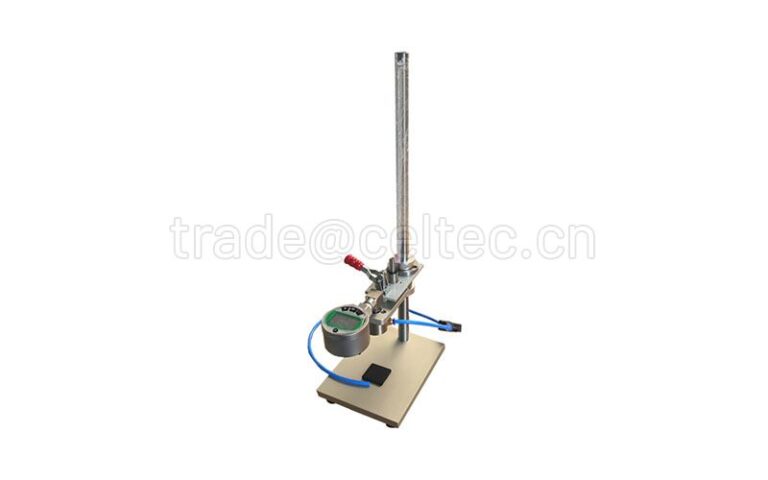
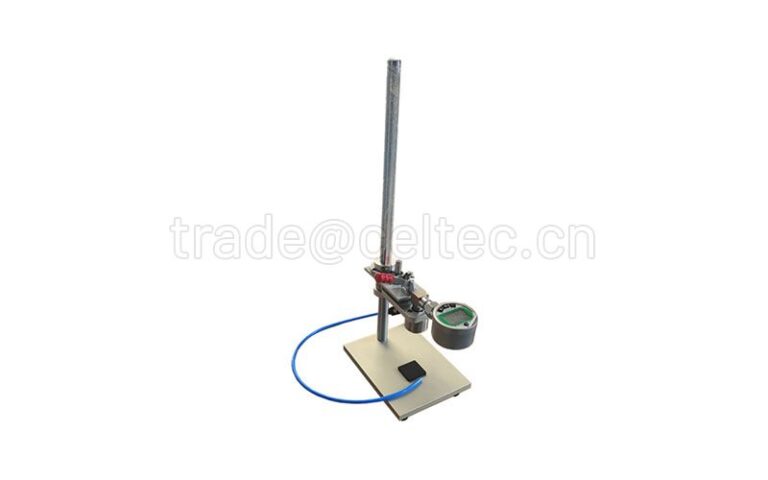
A CO2 volume tester, also known as a Δοκιμαστής ενανθράκωσης, is a device designed to measure the volume of Carbon Dioxide gas dissolved in a liquid, typically a beverage. This instrument is commonly used in the beverage industry, especially in breweries and soft drink production, to ensure that carbonated beverages meet specific quality and consistency standards.
CLRT-02 Carbon Dioxide Volume Tester provides a method to uncover the relationship between pressure and temperature, shedding light on how these factors influence carbonation volume.
2.Advantages of CLRT-02 Carbon Dioxide Volume Tester
1.Equipped with a quenching piercing head, ensuring enhanced durability and reliability during the testing process.
2.High-Precision Pressure Gauge with Multi-Unit Conversion,catering to diverse measurement preferences.
3.Anti-Leakage Design, safeguarding the integrity of the testing.
4.Vent Valve and Pipe Equipped, enabling controlled release and exhaust during testing.
3.Test Principle of CLRT-02 Carbon Dioxide Volume Tester
The testing Principle for CLRT-02 Carbon Dioxide Volume Tester involves a manual approach, with each step executed to ensure accurate results:
Begin by piercing the bottle cap.
Proceed to open the vent valve, allowing the release of exhaust.
Once exhaust is complete, close the vent valve.
Initiate vigorous vibration, maintained for a duration of 40 seconds.
After pressure has stabilized, record the pressure measurement in Mpa or other applicable units.
Simultaneously, measure the temperature of the liquid.
With these essential data points in hand, obtain the outcome from the carbonation volume table, culminating in a comprehensive assessment of the CO2 volume.

4.Application of Manual Carbonation Tester:
Carbonated Soft Drinks (Cola, Lemon-Lime Soda, Orange Soda); Sparkling Water (Plain Sparkling Water, Flavored Sparkling Water); Tonic Water; Ginger Ale (Traditional Ginger Ale, Ginger Beer (non-alcoholic)) ; Club Soda; Carbonated Fruit Drinks; Soda Water; Carbonated Energy Drinks; Alcoholic Mixers; Fizzy Lemonades; Carbonated Iced Teas; Seltzer (Plain Seltzer, Fruit-Infused Seltzer);Italian Sodas; Canned Cocktails; Craft Sodas;
5.Specifications of Manual Carbonation Tester
| Εύρος δοκιμής | 0~1MPa |
| Ψήφισμα | 0.0001MPa |
| Shaking | Manual |
| Piercing | Manual |
| Sample Height | ≤ 350mm (other available) |
6.Standards of Manual Carbonation Tester:
ASTM F1115 Standard Test Method for Determining the Carbon Dioxide Loss of Beverage Containers; GB/T 10792 Carbonated beverages
7.Configuration of Manual Carbonation Tester:
a)Standard configuration: CLRT-02 Carbon Dioxide Volume Tester, drainage valve, drainage pipe
b)Optional configuration: Non-Standard probe, pressure gauge, etc.
8.How to use
Preparation:
Gather all necessary materials such as the sample container (usually a bottle or can), pressure gauge, temperature probe, and any other accessories specified by the manufacturer.
Sample Preparation:
Select a sealed beverage sample at the desired testing temperature, typically room temperature or chilled, depending on the product specifications.
Make sure the sample has been stored under stable conditions to avoid changes in carbonation levels.
Connecting the Tester:
Attach the carbonation tester to the sample container using the appropriate adapter or fitting. This connection should be secure to prevent gas leakage during the test.
Pressure Measurement:
Open the valve on the tester to allow the internal pressure of the beverage container to equalize with the tester’s pressure gauge.
Record the initial pressure reading, which corresponds to the amount of dissolved CO2 in the beverage.
Temperature Compensation:
Measure the temperature of the sample, as carbonation levels are temperature-dependent. Use this data along with the pressure reading to calculate the actual volume of CO2 dissolved in the liquid.
Apply the temperature correction factor to the pressure measurement if required by your procedure or equipment instructions.
Data Recording:
Note down the corrected carbonation level, usually expressed as volumes of CO2 per volume of liquid.
If the tester provides a direct readout of carbonation volumes, record this value directly.
Cleanup and Maintenance:
After completing the test, disconnect the tester from the sample container carefully to avoid spills.
Clean the tester and all parts that came into contact with the beverage to prepare for the next use.
Store the tester in a clean, dry place and perform any maintenance tasks recommended by the manufacturer.
Reporting Results:
Compile the results and compare them against the product specifications or quality control standards.
Document any deviations and take corrective actions as necessary.
9.FAQs of Manual Carbonation Tester
1. What is a Carbon Dioxide Volume Tester, and where is it commonly used?
– A Carbon Dioxide Volume Tester, or carbonation tester, measures CO2 in beverages. It’s used in the beverage industry, especially in breweries and soft drink production.
2. What advantages does the CLRT-02 Carbon Dioxide Volume Tester offer?
– Equipped with a quenching piercing head for durability, high-precision pressure gauge with multi-unit conversion, anti-leakage design, and vent valve for controlled release during testing.
3. How does the CLRT-02 Carbon Dioxide Volume Tester operate, and what are its key steps?
– The manual testing process involves piercing the bottle cap, releasing exhaust, vigorous vibration, pressure measurement, and recording temperature. The carbonation volume is then obtained for a comprehensive assessment.
4. What beverages can be tested using the CLRT-02 Carbon Dioxide Volume Tester?
– The tester is suitable for a range of carbonated beverages, including cola, sparkling water, ginger ale, tonic water, and alcoholic mixers, etc.
5. What are the standards associated with the CLRT-02 Carbon Dioxide Volume Tester?
– It adheres to standards such as ASTM F1115 and GB/T 10792 for carbonated beverages.
For more information about our CO2 Volume Tester, παρακαλώ επικοινωνήστε μαζί μας!

 Ελληνικά
  English
  العربية
  Български
  Čeština
  Dansk
Dansk  Deutsch
  Español
  Eesti
Eesti  Suomi
Suomi  Français
  Magyar
  Bahasa Indonesia
  Italiano
  日本語
日本語  한국어
한국어  Lietuvių kalba
  Latviešu valoda
  Norsk bokmål
  Nederlands
  Polski
  Português
  Română
  Русский
  Slovenčina
  Slovenščina
  Svenska
  Türkçe
  Українська