
Introduzione
Nell'industria farmaceutica, l'integrità del packaging è una priorità assoluta. Il test di penetrabilità delle chiusure elastomeriche farmaceutiche svolge un ruolo cruciale nella salvaguardia della qualità dei farmaci, verificando che le chiusure, come i tappi delle fiale e i sigilli delle siringhe, rimangano efficaci anche dopo la puntura dell'ago. Questo articolo esplora l'importanza di questo test, gli standard stabiliti da ISO 8871-5, e le migliori pratiche per la conduzione di test di penetrazione degli aghi.
Perché il test di penetrabilità delle chiusure elastomeriche farmaceutiche è importante
I tappi elastomerici farmaceutici sono essenziali per prevenire la contaminazione e mantenere la sterilità. Il test di penetrabilità è stato progettato specificamente per valutare se questi tappi sono in grado di resistere alla perforazione dell'ago, mantenendo intatta la barriera.
Vantaggi principali dei test di penetrabilità
- Protegge la qualità dei farmaci: Assicura che le chiusure mantengano un ambiente sterile anche dopo ripetute forature.
- Supporta i contenitori multidose: È fondamentale per i prodotti in cui la chiusura viene forata più volte, come nel caso delle fiale multidose.
- Conformità normativa: Aiuta le aziende farmaceutiche a rispettare gli standard e a mantenere costante la qualità dei prodotti.
Il test di penetrabilità delle chiusure elastomeriche farmaceutiche è quindi essenziale per sostenere la sicurezza e la conformità all'interno del settore.
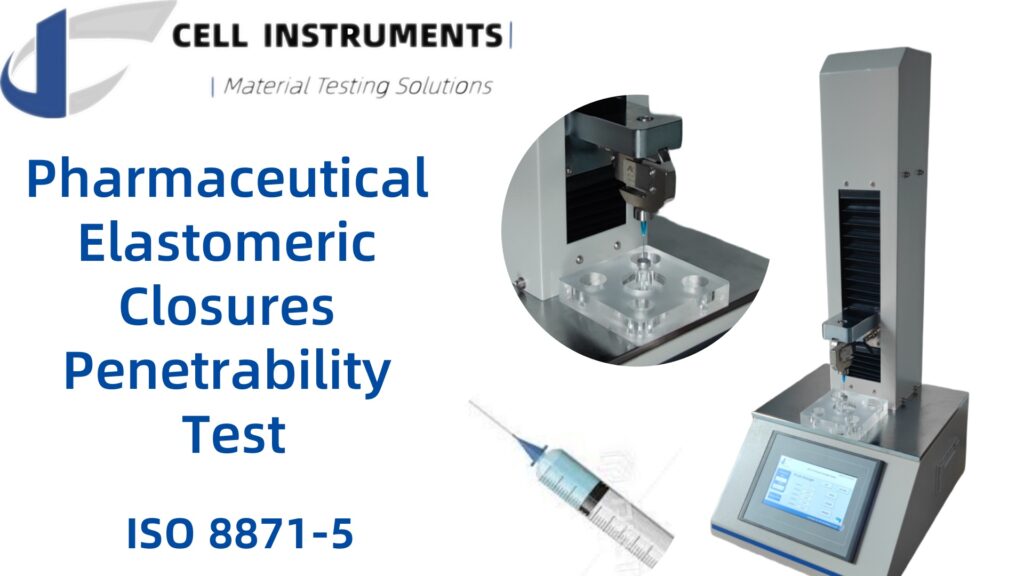
Comprendere i test di penetrazione con ago e gli standard ISO 8871-5
Un affidabile test di penetrazione con ago è necessario per valutare le chiusure utilizzate nel confezionamento dei farmaci. ISO 8871-5 fornisce le linee guida per testare le parti elastomeriche utilizzate nelle applicazioni farmaceutiche, compresa la penetrabilità della chiusura in condizioni specifiche.
Panoramica degli standard ISO 8871-5 per i test di penetrabilità
- Misurazione della forza di perforazione: La norma ISO 8871-5 specifica la forza necessaria alla penetrazione per garantire che le chiusure soddisfino i requisiti di qualità.
- Specifiche dell'ago: Per garantire la coerenza dei test di puntura, si utilizzano aghi standardizzati.
- Condizioni di test controllate: I fattori ambientali, come la temperatura e l'umidità, sono regolati per ottenere risultati accurati.
Aderendo alla norma ISO 8871-5, i produttori garantiscono che le chiusure elastomeriche siano sufficientemente durevoli per mantenere la sicurezza dei farmaci.
Guida passo per passo alla conduzione di un test di penetrabilità delle chiusure elastomeriche farmaceutiche
L'esecuzione del test di penetrabilità delle chiusure elastomeriche farmaceutiche prevede diverse fasi per replicare gli effetti della puntura di un ago sulle chiusure degli imballaggi. Di seguito è riportata una guida alle fasi essenziali.
Fasi fondamentali dei test di penetrabilità
- Preparare il campione di chiusura: Posizionare la chiusura elastomerica su una piattaforma di prova stabile per garantire la precisione.
- Selezionare l'ago giusto: Scegliere un ago conforme alla norma ISO 8871-5 per simulare le condizioni di foratura reali.
- Applicare una forza controllata: L'ago viene inserito nella chiusura a una determinata velocità e pressione per misurare la resistenza alla perforazione.
- Raccogliere i dati: Monitorare e registrare la forza di perforazione, la profondità di penetrazione e qualsiasi deformazione osservata durante la prova.
Verifica delle variabili che influenzano i risultati
Diversi fattori possono influenzare i risultati dei test, tra cui:
- Calibro dell'ago e angolo di inserimento: Aghi e angoli diversi possono produrre una diversa resistenza alla perforazione.
- Proprietà dei materiali delle chiusure: Lo spessore della chiusura, l'elasticità e la composizione del materiale influiscono sulla penetrabilità.
- Fattori ambientali: La temperatura e l'umidità possono alterare le proprietà degli elastomeri, per cui è essenziale mantenere condizioni di prova costanti.
L'utilizzo di protocolli standardizzati garantisce che il test di penetrabilità delle chiusure elastomeriche farmaceutiche fornisca risultati affidabili e riproducibili.
Miglioramento della precisione dei test con il tester per la perforazione degli aghi NPT-01
Il Tester di perforazione ad ago NPT-01 di Cell Instruments offre una soluzione affidabile per eseguire il test di penetrabilità delle chiusure elastomeriche farmaceutiche. Questa apparecchiatura è in linea con ISO 8871-5 e garantisce precisione e coerenza, rendendolo ideale per le applicazioni farmaceutiche.
Caratteristiche principali del modello NPT-01
- Applicazione controllata della forza: L'NPT-01 garantisce un'applicazione accurata della forza per simulare una penetrazione realistica dell'ago.
- Ampia compatibilità con i tipi di ago: L'NPT-01 supporta aghi di varie dimensioni, consentendo di eseguire test versatili su diversi tipi di chiusura.
- Raccolta dati automatizzata: La registrazione dei dati incorporata semplifica l'analisi, aiutando gli utenti a valutare le prestazioni della chiusura in modo rapido e accurato.
L'NPT-01 migliora la conformità e la fiducia, garantendo che le chiusure elastomeriche soddisfino gli standard normativi di resistenza alla perforazione.
Applicazioni comuni del test di penetrabilità delle coperture elastomeriche farmaceutiche
Il test di penetrabilità è ampiamente utilizzato nel confezionamento farmaceutico per verificare la sicurezza e la durata delle chiusure utilizzate per i farmaci iniettabili e altri prodotti.
Le applicazioni includono:
- Chiusure per fiale e siringhe: Garantire che le chiusure possano resistere a più forature senza compromettere la sterilità.
- Sacche per infusione e fiale multidose: Verifica della durata delle chiusure in condizioni di utilizzo ripetuto.
- Confezionamento di farmaci di alto valore: Test di chiusure per farmaci sensibili in cui il rischio di contaminazione deve essere ridotto al minimo.
Conclusione
Il test di penetrabilità delle chiusure elastomeriche farmaceutiche è fondamentale per mantenere la sicurezza dei farmaci e l'integrità del confezionamento. Eseguire questo test in linea con Norme ISO 8871-5 e utilizzando apparecchiature affidabili come il Tester di perforazione ad ago NPT-01 supporta le aziende farmaceutiche nel raggiungimento della conformità normativa e della qualità costante dei prodotti.
FAQ
1. Qual è lo scopo del test di penetrabilità delle chiusure elastomeriche farmaceutiche?
Questo test verifica che le chiusure elastomeriche sono in grado di mantenere la sterilità anche dopo molteplici punture di aghi, il che è fondamentale per la sicurezza dei farmaci.
2. Che impatto ha la norma ISO 8871-5 sul test di penetrabilità?
La norma ISO 8871-5 fornisce le linee guida per la conduzione di test di penetrabilità standardizzati, contribuendo a garantire che le chiusure soddisfino rigorosi standard di qualità.
3. Quali vantaggi offre il tester per aghi NPT-01?
L'NPT-01 offre un'applicazione precisa e costante della forza, supporta diversi tipi di aghi e dispone di una registrazione automatica dei dati, contribuendo alla conformità con la norma ISO 8871-5.
4. Perché il controllo ambientale è importante nei test di penetrabilità?
Fattori come la temperatura e l'umidità possono influire sulle proprietà dell'elastomero, quindi il controllo di queste condizioni è essenziale per ottenere risultati accurati.
5. Quali tipi di chiusure vengono testate con i test di penetrabilità?
Il test viene comunemente applicato ai tappi delle fiale, alle guarnizioni delle siringhe e ad altre chiusure elastomeriche utilizzate nel confezionamento farmaceutico, in particolare per i contenitori multidose.